
Classic Meatloaf

There is something undeniably nostalgic about a thick, tender slice of meatloaf served alongside a mountain of mashed potatoes. It is the ultimate comfort food classics staple, evoking memories of Sunday dinners and family gatherings. A truly best traditional homemade meatloaf recipe balances a savory, well-seasoned interior with a tangy, sweet glaze that caramelizes perfectly in the oven. Unlike the dry, flavorless versions often found at diners, a high-quality homemade version is incredibly juicy, structured enough to slice cleanly, and packed with layers of umami from slow-cooked aromatics and the right blend of seasonings.
Mastering this dish is less about complex culinary skills and more about understanding the harmony between moisture and texture. By using a few simple techniques, such as creating a panade and avoiding overworking the meat, you can transform humble ground beef into a centerpiece that everyone asks for seconds of. This guide will walk you through the nuances of building flavor and achieving that signature tender bite that makes easy dinner ideas like this one a permanent fixture in your recipe rotation.
Why You’ll Love This Recipe
- Perfectly Moist Texture: By incorporating a milk-soaked binder, the meat remains tender and juicy throughout the long baking process, preventing the dreaded “brick” consistency.
- Balanced Flavor Profile: The combination of savory beef, aromatic vegetables, and a sweet-and-tangy glaze provides a multi-dimensional tasting experience in every bite.
- Budget-Friendly Ingredients: This recipe utilizes pantry staples and affordable cuts of meat, making it an accessible way to feed a hungry family without overspending.
- Excellent for Meal Prep: Leftovers taste even better the next day, especially when sliced cold for sandwiches or reheated for a quick and satisfying lunch.
Ingredients You’ll Need
To achieve the best traditional homemade meatloaf recipe, each ingredient must play a specific role. From providing structure to enhancing the moisture content, these components work together to create a cohesive and flavorful loaf. Using fresh aromatics and the right ratio of fat is key to preventing a dry finished product.
- Ground Beef: Opt for a 80/20 or 85/15 lean-to-fat ratio. The fat is essential for moisture and flavor; using meat that is too lean will result in a crumbly, dry texture.
- Breadcrumbs and Milk: These two ingredients form a “panade.” When the breadcrumbs soak up the milk, they create a paste that coats the meat fibers, keeping them tender during the cooking process.
- Eggs: These act as the primary binding agent, holding the loaf together so it doesn’t fall apart when you attempt to slice it.
- Aromatics (Onion and Garlic): Sautéing these before adding them to the meat mixture ensures they are soft and their sweetness is fully developed, rather than leaving crunchy, raw bits in the loaf.
- Worcestershire Sauce: This provides a deep, savory punch and enhances the natural “beefiness” of the dish.
- Ketchup, Brown Sugar, and Mustard: These form the classic meatloaf glaze recipe. The sugar caramelizes under the oven’s heat, creating a glossy, flavorful crust.
- Dried Herbs: Thyme, oregano, or parsley add a subtle earthiness that cuts through the richness of the beef.
Easy Ways to Change It Up
- Protein Swaps: You can use a “meatloaf mix” of beef, pork, and veal for a softer texture and more complex flavor. Alternatively, ground turkey works well, though you may need to add a bit more moisture.
- Cheese Infusion: For a modern twist, fold in a half-cup of shredded cheddar or mozzarella, or place a layer of cheese in the middle of the loaf for a gooey center.
- Smoky Glaze: Replace the traditional ketchup in the glaze with your favorite barbecue sauce for a smokier, bolder finish that pairs well with grilled sides.
- Vegetable Boost: Finely grated carrots or zucchini can be added to the meat mixture. This is a great way to add hidden nutrients and extra moisture without changing the overall flavor profile.
How to Make the Best Traditional Homemade Meatloaf Recipe
Step 1: Sauté the Aromatics for Maximum Flavor
While many recipes call for raw onions, taking five minutes to sauté finely diced onions and minced garlic in a bit of butter or oil makes a world of difference. Cooking them until they are translucent and fragrant removes the sharp, raw bite and ensures they meld perfectly into the meat. This step also prevents the excess moisture in raw vegetables from creating “steam pockets” inside your meatloaf, which can lead to a mushy texture.
Step 2: Create the Panade and Mix the Binder
In a large mixing bowl, combine your breadcrumbs with the milk and let them sit for a few minutes until the liquid is fully absorbed. Once you have a thick paste, whisk in the eggs, Worcestershire sauce, and your dry seasonings. By mixing these wet ingredients and binders first, you ensure that the seasoning is evenly distributed throughout the loaf before the meat is even added, which helps avoid over-handling the beef later.
Step 3: Combine Gently with the Ground Beef
Add the ground beef to the bowl with your binder mixture. Using your hands or a large fork, gently fold the ingredients together until just combined. This is the most critical stage for moist meatloaf tips: do not overmix. If you squeeze or knead the meat too much, the proteins will become tough and rubbery. Stop as soon as you no longer see large streaks of plain meat or unmixed binder.
Step 4: Shape and Prepare for Baking
Transfer the mixture to a parchment-lined baking sheet or a loaf pan. While a loaf pan is traditional, shaping the meat into a free-form loaf on a flat baking sheet allows for more surface area to be covered by the glaze and creates better browning on the sides. Aim for an even thickness so the ends don’t dry out before the center is cooked. Once shaped, brush about half of your glaze mixture over the top and sides.
Step 5: Bake and Apply the Final Glaze
Place the meatloaf in a preheated oven at 350°F (175°C). About 15 to 20 minutes before the end of the cooking time, remove the loaf and apply the remaining glaze. This secondary coating ensures a thick, sticky, and vibrant finish. Bake until the internal temperature reaches 160°F. Using a meat thermometer is the only way to guarantee it is safely cooked through without being overdone.
Step 6: The Essential Rest Period
Once you remove the meatloaf from the oven, resist the urge to slice it immediately. Let it rest for at least 10 to 15 minutes. During this time, the juices redistribute throughout the meat, and the binders firm up. If you slice it too early, the juices will run out onto the board, leaving you with dry meat and a loaf that crumbles apart.
Pro Tips for the Best Results
- Tip: Don’t overmix the meat. Using a light touch ensures the final texture is tender rather than dense and tough.
- Tip: Use a meat thermometer to pull the loaf at exactly 160°F. Even five extra minutes in the oven can turn a juicy loaf into a dry one.
- Tip: Soak your breadcrumbs in milk first. This creates a panade that acts as a moisture reservoir, protecting the meat from drying out.
- Tip: Sauté your vegetables before adding them to the mix to ensure they are soft and their flavors are fully developed.
- Tip: For a better crust, bake the loaf on a sheet pan instead of inside a deep loaf pan. This allows the fat to drain away and the sides to caramelize.
- Tip: Let the meatloaf rest for 10-15 minutes before slicing to ensure clean cuts and retained juices.
Troubleshooting Common Problems
Why is my meatloaf falling apart?
If your slices are crumbling, it usually means there wasn’t enough binder (eggs and breadcrumbs) or the meat wasn’t allowed to rest long enough after baking. Ensure you follow the egg-to-meat ratio closely, and always give the loaf a full 10-15 minutes of resting time so the structure can set before you introduce a knife.
Why is my meatloaf dry?
Dryness is typically caused by using meat that is too lean (90/10 or higher) or overcooking the loaf. To fix this, stick to 80/20 ground beef and use a thermometer to check for doneness. Additionally, ensure your panade is sufficiently wet; the milk-soaked breadcrumbs are your primary defense against dryness.
Why is there so much grease in the pan?
A certain amount of grease is normal, especially when using the recommended 80/20 beef. If you find it excessive, you can bake the loaf on a wire rack set over a baking sheet. This allows the grease to drip away from the meat, preventing the bottom of the loaf from becoming soggy.
How to Serve Meatloaf
Presentation and side dishes can elevate a simple meatloaf into a restaurant-quality meal. Because this is a heavy, savory dish, it benefits from being paired with sides that offer contrasting textures or bright, acidic flavors.
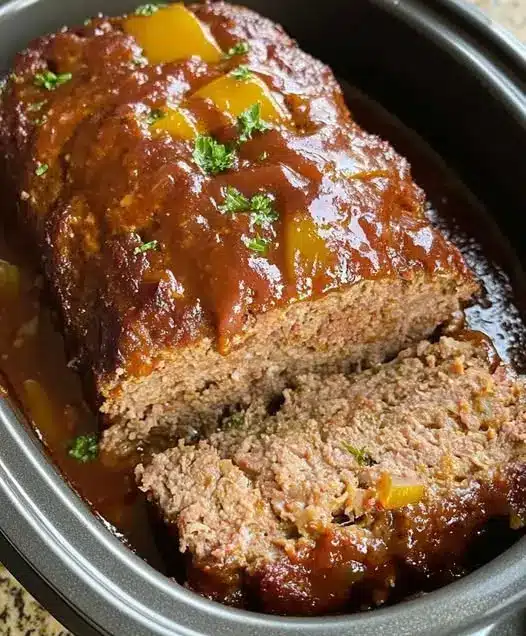
Classic Pairings
The most traditional way to serve this is with creamy mashed potatoes and buttered green beans or roasted carrots. The potatoes act as a perfect vehicle for any extra glaze or juices, while the vegetables provide a necessary snap of freshness. A side of corn on the cob or a simple garden salad also works beautifully to round out the plate.
Garnishes and Toppings
To brighten up the look of the dish, sprinkle freshly chopped parsley or chives over the top of the glazed loaf. A small dollop of extra glaze on the side or even a light drizzle of gravy can provide extra moisture for those who prefer an even saucier experience. If you enjoy a bit of heat, a few dashes of hot sauce in the glaze or served on the side can provide a nice kick.
Storage and Make-Ahead
Storing Leftovers
Leftover meatloaf is a treasure. Store any remaining slices in an airtight container in the refrigerator for up to 3 to 4 days. Because the flavors continue to meld, many people find it even more delicious on the second day. It is excellent served cold in a sandwich with a bit of mayo and lettuce.
Freezing Instructions
You can freeze meatloaf either cooked or uncooked. To freeze uncooked, shape the loaf and wrap it tightly in plastic wrap and then foil; it will stay fresh for up to 3 months. To freeze cooked meatloaf, let it cool completely before wrapping. Thaw overnight in the refrigerator before reheating or baking as directed.
Reheating Tips
To keep the meat from drying out during reheating, place slices in a baking dish with a splash of water or beef broth, cover with foil, and warm in a 300°F oven until heated through. Alternatively, you can sear slices in a skillet with a little butter to get a crispy exterior, which is fantastic for breakfast or sandwiches.
Final Thoughts
The best traditional homemade meatloaf recipe is a testament to the power of simple ingredients treated with care. By focusing on moisture retention and flavor development, you can create a meal that feels both familiar and extraordinary. Whether you are cooking for a quiet weeknight or hosting a larger family gathering, this recipe offers the reliability and satisfaction that only true comfort food classics can provide. Once you master the basic technique, feel free to experiment with different glazes and mix-ins to make the recipe your own.
Frequently Asked Questions
Can I make meatloaf without breadcrumbs?
Yes, you can substitute breadcrumbs with crushed saltine crackers, panko, or even quick oats. The goal is to provide a binder that can absorb moisture. If you are looking for a gluten-free option, almond flour or crushed pork rinds can work, though the texture will be slightly different than the traditional version.
Is it better to bake meatloaf covered or uncovered?
It is generally better to bake meatloaf uncovered. This allows the exterior to brown and the glaze to caramelize into a sticky, delicious crust. If you notice the top is browning too quickly before the center is cooked, you can tent it loosely with foil, but for most of the cooking time, keep it uncovered for the best results.
How do I know when the meatloaf is done without a thermometer?
While a thermometer is the most accurate method, you can check for doneness by inserting a metal skewer or thin knife into the center. If it comes out very hot to the touch and the juices run clear rather than bloody, it is likely done. However, for a best traditional homemade meatloaf recipe, an internal temperature of 160°F is the gold standard for safety and quality.
Why do people put milk in meatloaf?
Milk is used to soak the breadcrumbs, creating a panade. This mixture adds significant moisture to the meat and prevents the proteins from bonding too tightly. Without milk (or another liquid like broth), the breadcrumbs would actually draw moisture *out* of the meat, leading to a much drier finished product.
Can I make the meatloaf ahead of time?
Absolutely. You can mix and shape the loaf up to 24 hours in advance. Keep it covered in the refrigerator until you are ready to bake. This can actually help the flavors develop even further. Just be sure to add the glaze right before you put it in the oven to prevent it from soaking into the meat too much.
Classic American Meatloaf

A timeless American comfort food, this classic meatloaf is incredibly tender, juicy, and finished with a signature sweet and savory glaze.
- 2 lbs ground beef (85% lean)
- 1 cup plain breadcrumbs
- 1/2 cup whole milk
- 1 small yellow onion, finely minced
- 1 large egg, lightly beaten
- 2 tbsp Worcestershire sauce
- 1 tsp salt
- 1/2 tsp freshly ground black pepper
- 1/2 cup ketchup
- 2 tbsp light brown sugar
- 1 tbsp yellow mustard
- 1Preheat your oven to 350°F (175°C) and lightly grease a 9x5-inch loaf pan.
- 2In a large mixing bowl, combine the ground beef, breadcrumbs, milk, minced onion, egg, Worcestershire sauce, salt, and pepper. Use your hands to mix until just combined, being careful not to overwork the meat.
- 3Press the meat mixture into the prepared loaf pan, smoothing the top.
- 4In a small bowl, whisk together the ketchup, brown sugar, and mustard to create the glaze.
- 5Spread the glaze evenly over the top of the meatloaf.
- 6Bake in the preheated oven for 60 to 65 minutes, or until the internal temperature reaches 160°F (70°C).
- 7Remove from the oven and let the meatloaf rest for 10 minutes before slicing to keep it juicy.
Keywords: meatloaf, classic dinner, ground beef, american comfort food, family dinner


