
Homemade Salsa

There is a world of difference between the salsa found in a dusty glass jar on a supermarket shelf and a vibrant, zesty bowl of best easy homemade salsa recipe prepared right in your own kitchen. While store-bought versions often rely on heavy preservatives and cooked-down textures, making your own at home allows the bright acidity of lime and the punch of fresh aromatics to shine through. This recipe captures that coveted restaurant style salsa experience, offering a perfect balance of smoky depth, sharp onion, and the unmistakable freshness of garden herbs.
The beauty of this blender salsa lies in its sheer simplicity and the way it elevates any meal from basic to extraordinary. By using a few high-quality pantry staples and a handful of fresh ingredients, you can create a dip that is significantly more flavorful and cost-effective than anything you can buy. Whether you are hosting a game day gathering or just want to brighten up a Tuesday night taco dinner, this approach guarantees a consistent, delicious result every single time.
Why This Recipe Is a Keeper
- Incredible Speed: You can go from a bare counter to a full bowl of dip in less than ten minutes, making it the ultimate solution for last-minute entertaining.
- Total Flavor Control: By making it yourself, you can easily adjust the heat level, saltiness, and amount of fresh cilantro salsa to suit your specific palate.
- Superior Texture: Unlike chunky pico de gallo or watery jarred brands, this method creates a cohesive, pourable texture that clings perfectly to every tortilla chip.
- Budget-Friendly: Using canned tomatoes as a base is not only convenient but also much more affordable than buying premium pre-made salsas every week.
Ingredients You’ll Need
To achieve that classic texture and deep red color, selecting the right base is essential. While fresh tomatoes are great in the summer, high-quality canned tomatoes provide the consistent juice and acidity needed for a best easy homemade salsa recipe year-round. Here are the components that make this dip stand out:
- Canned Tomatoes: These provide a consistent liquid base and a rich, concentrated tomato flavor that fresh grocery store tomatoes often lack outside of peak season.
- Fresh Jalapeños: The primary source of heat; removing the seeds and membranes allows you to control exactly how spicy the final batch will be.
- Red or White Onion: These aromatics provide a necessary sharp bite that balances the sweetness of the tomatoes and the richness of the spices.
- Fresh Cilantro: This herb is non-negotiable for an authentic fresh cilantro salsa, adding a citrusy, peppery top note that brightens the entire dish.
- Garlic Cloves: Freshly peeled garlic provides a pungent depth of flavor that garlic powder simply cannot replicate in a raw dip.
- Lime Juice: The essential acid that “cooks” the raw onions and garlic slightly, mellowing their bite while enhancing the overall zestiness.
- Ground Cumin: A small pinch adds a faint earthiness and a hint of smoke that makes the salsa taste more complex and professional.
- Sea Salt and Sugar: Salt brings all the flavors forward, while a tiny pinch of sugar can help balance the acidity if the tomatoes are particularly tart.
Easy Ways to Change It Up
- Smoky Chipotle Variation: Swap the fresh jalapeño for one or two chipotle peppers in adobo sauce to add a deep, smoky heat and a darker color.
- Roasted Garlic Twist: If you find raw garlic too sharp, use roasted garlic cloves instead for a much sweeter, milder, and more buttery flavor profile.
- Corn and Black Bean Add-in: After blending your base, stir in some charred corn kernels and rinsed black beans for a chunkier, heartier dip that doubles as a salad topper.
- Extra Mild Version: Replace the jalapeño entirely with a small amount of diced green bell pepper or a very mild canned green chili to keep the flavor without the burn.
How to Make This Best Easy Homemade Salsa Recipe
Step 1: Prepare the Aromatics and Peppers
Before bringing out the food processor or blender, take a moment to roughly chop your onion and garlic. While the machine will do most of the work, pre-cutting them ensures you don’t end up with one giant chunk of raw onion in an otherwise smooth dip. If you prefer a milder restaurant style salsa, this is the stage where you should carefully slice the jalapeño and scrape out the white pith and seeds, as these contain the majority of the capsaicin heat.
Step 2: Layer the Ingredients in the Blender
Order matters when building your blender salsa. Start by placing the heavier items, like the canned tomatoes and their juices, at the bottom. Follow this with your chopped onions, garlic, jalapeños, and the spices. By placing the liquid-heavy ingredients near the blades, you ensure the machine can create a vortex easily without needing extra water, which would only dilute the vibrant flavors of the vegetables.
Step 3: Pulse to Reach the Perfect Consistency
One of the most common mistakes is simply turning the blender on and letting it run, which results in a foamy, aerated puree. To get the best easy homemade salsa recipe texture, use the pulse setting. Give it several short bursts, stopping to check the consistency after every few seconds. You want a mixture that is mostly uniform but still retains very small, identifiable bits of onion and cilantro for a rustic, authentic look.
Step 4: Taste and Adjust the Seasoning
Once you have reached your desired texture, it is time for the most important step: the taste test. Dip a chip into the bowl—since chips are salty, this gives you the most accurate idea of the final flavor. If it tastes flat, add a pinch more salt or another squeeze of lime juice. If the jalapeño is overwhelming, another handful of tomatoes can help dilute the spice. This final adjustment ensures the balance is exactly where you want it before serving.
Pro Tips for the Best Results
- Tip: Always use cold ingredients from the fridge if you plan to serve the salsa immediately; this keeps the flavors crisp and the temperature refreshing.
- Tip: Let the salsa rest in the refrigerator for at least 30 minutes before serving. This allows the lime juice to macerate the onions and the dried spices to fully hydrate.
- Tip: If your salsa looks too “pink” or foamy after blending, let it sit for a few minutes. The air bubbles will settle, and the deep red color will return.
- Tip: Use the stems of the cilantro as well as the leaves; they contain an incredible amount of flavor and blend up perfectly in this blender salsa.
- Tip: Don’t over-salt initially. Canned tomatoes often contain sodium, and the chips you serve it with will add even more salt to every bite.
How to Serve This Recipe
While a large bag of salty tortilla chips is the classic companion, this best easy homemade salsa recipe is incredibly versatile. It functions beautifully as a condiment for heavy proteins or a bright topping for breakfast dishes. Because it has a smoother consistency than a chunky pico de gallo, it integrates seamlessly into other recipes without adding awkward bulk.
Classic Appetizer Style
Serve the salsa in a chilled stone or ceramic bowl to help it stay cool on the table. Garnish the top with an extra sprig of cilantro or a few thin slices of fresh jalapeño to signal the heat level to your guests. Surround the bowl with a variety of chips, including blue corn and lime-dusted varieties, for a beautiful presentation.
Beyond the Chip
This salsa is an excellent marinade for chicken or shrimp before grilling, as the lime juice acts as a natural tenderizer. It is also a staple for “Huevos Rancheros” or simply spooned over a fluffy cheese omelet in the morning. For a quick lunch, swirl a few tablespoons into a bowl of Greek yogurt or sour cream to create a creamy, spicy dressing for a taco salad.
Storage and Make-Ahead
Storing Leftovers
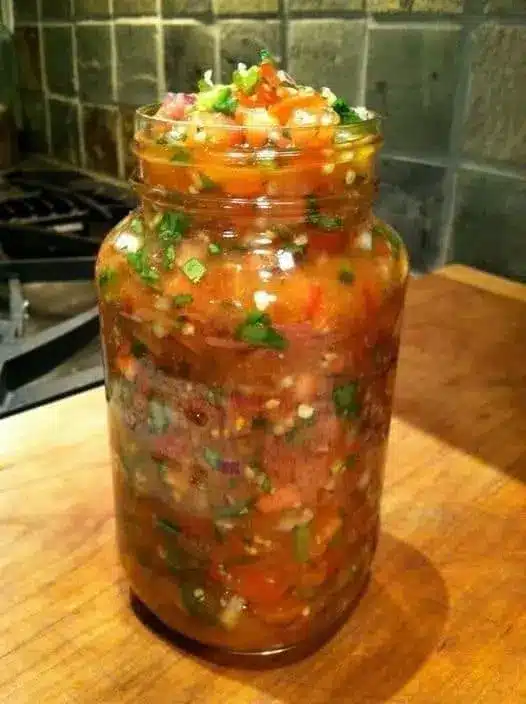
If you have leftovers, transfer them to an airtight glass jar. This salsa will stay fresh and delicious in the refrigerator for about 5 to 7 days. In fact, many people find that the flavor actually improves on the second day as the aromatics have more time to meld with the tomato base. Always give it a quick stir before serving to redistribute the juices.
Freezing Guidance
While you can freeze this salsa for up to two months, the texture will change slightly upon thawing. The vegetables may lose some of their crispness and become a bit more watery. If you do freeze it, it is best used as a cooking ingredient—such as in a slow-cooker salsa chicken recipe—rather than as a fresh dip for chips.
Final Thoughts
Mastering the best easy homemade salsa recipe is a culinary milestone that every home cook should achieve. It is a testament to how a few simple ingredients, when handled with the right technique, can create a result that is far greater than the sum of its parts. Once you experience the bright, punchy flavors of a custom-made restaurant style salsa, you will likely find it difficult to go back to the jarred variety. It is fast, fresh, and endlessly adaptable—truly the perfect addition to your recipe repertoire.
Frequently Asked Questions
Can I use fresh tomatoes instead of canned?
Yes, you can certainly use fresh tomatoes, but for that specific restaurant style salsa texture, it is best to use very ripe Roma tomatoes. You may need to add a little bit of tomato juice or a teaspoon of tomato paste to achieve the same depth of color and liquid consistency that canned tomatoes provide naturally. If the fresh tomatoes are out of season, they may taste watery, so adjust your seasoning accordingly.
How can I make the salsa less spicy after it’s already blended?
If you’ve accidentally made it too hot, don’t worry. The easiest way to fix it is to add more bulk. You can blend in an extra half-can of tomatoes or even some finely diced cucumber or avocado to help coat the palate and dull the heat. A tiny pinch of extra sugar can also help counteract the burn of the jalapeño peppers without making the salsa taste sweet.
Why is my salsa turning out foamy or pink?
Foamy salsa is usually the result of over-blending. When the blades spin too fast for too long, they incorporate air into the tomatoes, which creates tiny bubbles and lightens the color. To avoid this, always use the pulse setting and stop as soon as the large chunks are gone. If it’s already foamy, just let it sit in the fridge for an hour; the air will escape, and the color will deepen back to a rich red.
Is this salsa gluten-free and vegan?
Naturally, yes! This best easy homemade salsa recipe is made entirely of vegetables, herbs, and spices, making it a fantastic option for guests with various dietary restrictions. Just be sure to check the labels on your canned tomatoes to ensure there are no strange additives, and serve it with certified gluten-free corn chips to keep the entire appetizer safe for everyone at the table.
How long does the fresh cilantro stay good in the salsa?
In a fresh cilantro salsa, the herb will stay vibrant and flavorful for about 3 days. After that, the leaves may begin to darken or wilt due to the acidity of the lime juice and tomatoes. While the salsa will still be safe to eat for up to a week, the “fresh” herbal punch will be most potent within the first 48 hours of blending.
Fresh Homemade Salsa

This quick and easy restaurant-style salsa is made with a blend of canned tomatoes, fresh jalapeño, cilantro, and lime juice. It's the perfect dip for tortilla chips or a zesty topping for your favorite tacos and grilled meats.
- 1 can (28 oz) whole peeled tomatoes, liquid reserved
- 2 cans (10 oz each) diced tomatoes with green chilies
- 1/4 cup yellow onion, chopped
- 1 clove garlic, minced
- 1 whole jalapeño, sliced (remove seeds for less heat)
- 1/2 cup fresh cilantro, roughly chopped
- 1/2 lime, juiced
- 1/4 tsp salt
- 1/4 tsp sugar
- 1/4 tsp ground cumin
- 1Combine the whole tomatoes, diced tomatoes with green chilies, onion, garlic, jalapeño, cilantro, lime juice, salt, sugar, and cumin in a food processor or large blender.
- 2Pulse the mixture in short bursts until you reach your desired consistency. Be careful not to over-process if you prefer a chunkier texture.
- 3Taste and adjust seasoning with additional salt or lime juice if needed.
- 4Transfer to an airtight container and refrigerate for at least 1 hour to allow the flavors to meld before serving.
Keywords: homemade salsa, restaurant style salsa, easy salsa recipe, dip, mexican appetizer


