
Mongolian Beef Noodles

There is something incredibly satisfying about a meal that comes together in less time than it takes for a delivery driver to arrive at your door. This easy mongolian beef noodles recipe captures that perfect balance of a 30-minute meal that tastes significantly better than takeout. Imagine tender, thinly sliced ribbons of beef seared until the edges are slightly crisp, tossed with chewy noodles in a glossy, savory-sweet glaze that clings to every strand. It is a dish defined by its bold contrast: the deep umami of soy sauce meeting the mellow warmth of brown sugar, all punched up with plenty of fresh garlic and ginger.
Making this savory stir fry at home allows you to control the quality of the meat and the intensity of the sauce, ensuring every bite is exactly how you like it. By using a quick velveting technique on the beef and choosing the right noodles, you can transform a handful of humble pantry staples into a restaurant-quality dinner. Whether you are navigating a hectic Tuesday night or looking for a comforting weekend feast, this recipe delivers a high-reward experience with minimal cleanup, making it a reliable staple for any home cook’s rotation.
Why You’ll Love This Recipe
- Better Than Takeout Quality: By searing the beef at high heat and making the sauce from scratch, you achieve a depth of flavor and a tender texture that often surpasses your favorite local restaurant.
- Genuine 30-Minute Meal: This recipe is designed for efficiency; while your noodle water boils, you can prep the beef and whisk the sauce, keeping the total kitchen time incredibly low.
- Balanced Flavor Profile: The combination of dark soy sauce and brown sugar creates a rich, mahogany-colored glaze that is perfectly balanced by the zing of fresh aromatics.
- Versatile and Customizable: This dish acts as a fantastic base, allowing you to easily toss in whatever crisp vegetables you have on hand or swap the protein to suit your preferences.
Ingredients You’ll Need
The beauty of this easy mongolian beef noodles recipe lies in its simplicity. You don’t need a massive list of hard-to-find specialty items; instead, this dish relies on a few high-impact ingredients that work together to create a complex, layered flavor profile. Focus on the freshness of your ginger and garlic, as these provide the essential aromatic backbone of the entire meal.
- Flank Steak: This is the classic choice for Mongolian beef. It has a robust beefy flavor and, when sliced thinly against the grain, becomes incredibly tender after a quick sear.
- Cornstarch: A light coating of cornstarch on the beef is the secret to “velveting.” It protects the meat from drying out and helps create those coveted crispy edges while thickening the sauce later.
- Soy Sauce: Use a combination of regular and dark soy sauce if possible. Regular soy provides the salt, while dark soy adds that signature deep color and a hint of molasses-like sweetness.
- Brown Sugar: This provides the “Mongolian” style sweetness. It helps the sauce caramelize onto the beef and noodles, creating a sticky, finger-licking glaze.
- Fresh Ginger and Garlic: Do not reach for the powdered versions here. Freshly minced aromatics provide a sharp, bright heat that cuts through the richness of the beef and sugar.
- Noodles: Lo mein, udon, or even thick-cut ramen noodles work beautifully. You want something with enough surface area to hold onto the heavy sauce.
- Green Onions: These aren’t just a garnish; they are cooked briefly to add a mild, sweet onion flavor and a much-needed pop of color and freshness.
Variations and Smart Swaps
Protein Alternatives: While flank steak is traditional, you can easily make this a savory stir fry using thinly sliced chicken thighs, pork tenderloin, or even firm tofu cubes. If using tofu, ensure you press it well and sear it until the cornstarch coating is very crisp before adding the sauce.
Vegetable Boost: To make this a more complete one-pan meal, feel free to add sliced bell peppers, broccoli florets, or snap peas. Add these to the pan after searing the beef but before adding the sauce to ensure they stay crisp-tender rather than mushy.
Spice Adjustments: If you prefer a bit of heat with your sweet, add a teaspoon of red chili flakes or a dollop of chili garlic sauce to the liquid mixture. The heat pairs beautifully with the caramelized brown sugar.
Noodle Swaps: If you are out of Asian-style noodles, fettuccine or linguine can work in a pinch. The texture will be slightly different, but the pasta will still soak up that delicious savory stir fry sauce quite well.
How to Make This Easy Mongolian Beef Noodles Recipe
Step 1: Prep and Velvet the Beef
Start by slicing your flank steak recipe choice into thin, bite-sized strips, making sure to cut across the grain for maximum tenderness. Toss the beef in a bowl with cornstarch until every piece is lightly and evenly coated. This step is crucial because the cornstarch acts as a barrier, keeping the juices inside the meat while allowing the outside to develop a delicate, golden-brown crust during the high-heat sear.
Step 2: Whisk the Signature Sauce
In a small bowl, combine your soy sauce, brown sugar, minced garlic, and grated ginger. Whisk these together until the sugar begins to dissolve. By prepping the sauce ahead of time, you avoid the risk of burning your aromatics in the pan. This mixture will look thin at first, but don’t worry—the starch from the beef and the heat of the pan will transform it into a thick, glossy lacquer that coats the noodles perfectly.
Step 3: Sear the Beef in Batches
Heat a large skillet or wok over medium-high heat with a splash of oil. Once the pan is shimmering, add the beef in a single layer. Avoid overcrowding the pan; if you add too much at once, the meat will steam rather than sear. Let the beef sit undisturbed for a minute or two to develop a deep brown crust, then flip and cook for another minute. Once browned, remove the beef and set it aside.
Step 4: Combine the Noodles and Sauce
Bring your noodles to a boil according to the package directions, but aim for “al dente” as they will finish cooking in the sauce. Drain them and add them directly into the hot skillet used for the beef. Pour the sauce mixture over the noodles and toss constantly. The heat will cause the sauce to bubble and thicken within seconds. As it reduces, it will start to look shiny and cling to the noodles.
Step 5: Final Toss and Garnish
Return the seared beef to the pan along with a generous handful of sliced green onions. Toss everything together for another 60 seconds. This allows the beef to warm through and the green onions to soften slightly while retaining their bright color. The result should be a pan of deeply colored, aromatic noodles where the beef and sauce are harmoniously integrated.
Pro Tips for Success
Tip: Slice the beef while partially frozen. If you find it difficult to get those restaurant-thin slices, put your steak in the freezer for about 20–30 minutes before cutting. The firmness makes it much easier to control the knife.
Tip: Use a high-smoke point oil. Since you are searing the beef at high heat, avoid butter or extra virgin olive oil. Instead, use canola, vegetable, or peanut oil to prevent the pan from smoking excessively.
Tip: Don’t rinse your noodles. The natural starches left on the outside of the noodles after draining help the Mongolian sauce adhere to them. If you rinse them, the sauce may slide off and pool at the bottom of the bowl.
Tip: Grate your ginger. Rather than mincing it with a knife, use a microplane or a fine grater. This releases more juice and ensures the ginger flavor is distributed evenly throughout the sauce without leaving any woody chunks.
Troubleshooting Common Problems
Why is my beef tough?
The most common culprit for tough beef is cutting with the grain rather than against it. Look for the long muscle fibers and cut perpendicular to them. Additionally, ensure you don’t overcook the beef during the initial sear; it only needs about 2 minutes total to stay succulent.
Why is the sauce too salty?
Soy sauce brands vary significantly in sodium content. If you find the sauce too aggressive, splash in a tablespoon of water or a little extra brown sugar to balance it out. Using low-sodium soy sauce is also a great way to have more control over the final seasoning.
Why did the sauce get gummy?
If the sauce becomes too thick or “gloopy,” it usually means it reduced too far or there was too much cornstarch on the beef. You can easily fix this by adding a tablespoon of the reserved noodle cooking water to the pan to loosen everything back up to a silky consistency.
How to Serve This Dish
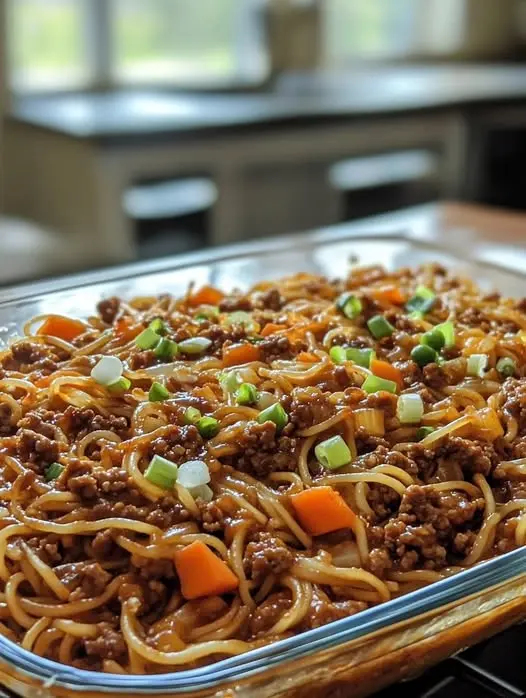
When serving this easy mongolian beef noodles recipe, presentation is all about highlighting the rich, dark colors and fresh garnishes. Transfer the noodles to wide, shallow bowls to show off the glossy coating and the generous portions of beef.
Garnishes
A heavy sprinkle of toasted sesame seeds adds a lovely nutty crunch that complements the sweetness of the sauce. You can also add extra fresh green onions or even some very thinly sliced red radishes for a crisp, peppery contrast to the savory beef.
Side Dishes
While this is a hearty meal on its own, it pairs beautifully with a side of smashed cucumber salad with rice vinegar and sesame oil. The acidity of the cucumbers cleanses the palate between bites of the rich noodles. Alternatively, a simple side of steamed bok choy or roasted broccoli adds a healthy green element to the table.
Storage and Make-Ahead
Storing Leftovers
Leftovers can be stored in an airtight container in the refrigerator for up to 3 days. Note that the noodles will continue to absorb the sauce as they sit, so they may be a bit softer the next day, though the flavors will have melded even more deeply.
Reheating
To reheat, it is best to use a skillet over medium heat with a tiny splash of water or beef broth. This helps loosen the sauce and prevents the noodles from sticking or drying out. Microwave reheating works too, but do it in short bursts and stir frequently.
Making It Ahead
You can easily prep the beef and the sauce up to 24 hours in advance. Keep the sliced, cornstarch-coated beef in one container and the whisked sauce in another. When you are ready to eat, the actual cooking process will take less than 10 minutes, making it a fantastic option for planned-ahead 30-minute meals.
Final Thoughts
This easy mongolian beef noodles recipe proves that you don’t need a lot of time or a long list of ingredients to create a dinner that feels special. It is a masterclass in using heat and simple aromatics to build big flavors. Once you master the quick sear and the balanced sauce, this better than takeout dish will likely become your go-to solution for busy weeknights. The combination of tender beef and chewy noodles is a timeless comfort food pairing that never fails to satisfy a hungry crowd.
Frequently Asked Questions
What is the best cut of beef to use?
Flank steak is the gold standard for this flank steak recipe because it is lean and takes well to quick cooking. However, skirt steak or even thinly sliced sirloin tip can be used as effective substitutes. The key is the thinness of the slice and the cornstarch coating, which ensures the meat stays tender during the high-heat stir-fry process.
Can I make this recipe gluten-free?
Yes, you can easily adapt this into a gluten-free meal. Substitute the soy sauce with tamari or coconut aminos, and ensure you use gluten-free noodles, such as wide rice noodles or a gluten-free spaghetti. Since cornstarch is naturally gluten-free, the velveting process remains exactly the same.
What kind of noodles should I buy?
Look for “Lo Mein” or “Chow Mein” noodles in the international aisle of your grocery store. Fresh yakisoba noodles or dried wide lo mein noodles work best because they have the structural integrity to hold up against the thick sauce. In a pinch, even standard spaghetti can be used, though the texture won’t be quite as authentic.
Is Mongolian beef actually from Mongolia?
Despite the name, Mongolian beef is a staple of Chinese-American cuisine and doesn’t actually originate from Mongolia. The name refers to the style of “Mongolian Barbecue” restaurants that became popular in the mid-20th century, characterized by high-heat stir-frying and sweet-savory sauces. It has since become one of the most beloved dishes in Asian-American cooking.
How do I make the sauce thicker or thinner?
The thickness of the sauce is controlled by the cornstarch on the beef and the amount of liquid reduction. If you want a thicker, stickier glaze, let the sauce bubble for an extra minute before adding the noodles. If you prefer it thinner, simply whisk in a tablespoon of water or beef broth at the very end until you reach your desired consistency.
Mongolian Beef Noodles

A fast and flavorful weeknight dinner featuring tender strips of flank steak and chewy egg noodles tossed in a sweet and savory garlic-ginger sauce.
- 1 lb flank steak, thinly sliced against the grain
- 1/4 cup cornstarch
- 2 tbsp vegetable oil
- 3 cloves garlic, minced
- 1 tbsp fresh ginger, grated
- 1/2 cup low-sodium soy sauce
- 1/2 cup packed brown sugar
- 1/2 cup beef broth
- 8 oz egg noodles or lo mein noodles
- 1/2 cup green onions, sliced on a bias
- 1 tsp sesame seeds for garnish
- 1Cook the noodles according to package instructions until al dente. Drain and set aside.
- 2In a medium bowl, toss the sliced beef with cornstarch until every piece is thoroughly coated.
- 3Heat the vegetable oil in a large skillet or wok over medium-high heat. Add the beef in a single layer and sear until browned and crispy on the edges, about 2-3 minutes per side. Remove beef from the pan and set aside.
- 4In the same skillet, add the garlic and ginger, sautéing for 30 seconds until fragrant.
- 5Pour in the soy sauce, brown sugar, and beef broth. Bring to a simmer and cook for 3-5 minutes until the sauce has thickened slightly.
- 6Add the cooked noodles and beef back into the skillet. Toss everything together until well-coated in the sauce.
- 7Stir in the green onions and sprinkle with sesame seeds before serving.
Keywords: mongolian beef, beef noodles, stir fry, easy dinner, 30 minute meals, savory noodles


