
Deviled Eggs

There is a reason the best classic deviled eggs recipe remains a permanent fixture at every American holiday gathering, backyard barbecue, and Sunday brunch. When done correctly, these bite-sized appetizers offer a harmonious balance of rich, velvety egg yolks, a subtle tang from vinegar, and the sharp, nostalgic bite of yellow mustard. The texture is key; you are looking for a filling so smooth it practically melts, contrasted against the firm, clean snap of a perfectly cooked egg white. It is a simple dish, yet one that requires attention to detail to achieve that iconic, crowd-pleasing result.
Mastering this holiday appetizer does not require professional culinary training, but it does benefit from a few reliable techniques that ensure the whites are easy to peel and the centers are vibrously yellow. Whether you are prepping for an Easter spread or just looking for a protein-packed snack, this guide will walk you through the nuances of creating creamy deviled eggs that look as elegant as they taste. By focusing on the quality of your emulsion and the temperature of your eggs, you can elevate this humble pantry staple into the star of the hors d’oeuvres tray.
Why This Recipe Is a Keeper
- Timeless Flavor Profile: It relies on a proven combination of creamy fats and bright acids that satisfy the palate without being overly complex or heavy.
- Incredible Versatility: While it stands perfectly on its own, this base recipe serves as a canvas for countless toppings, from fresh chives to crispy bacon.
- Budget-Friendly Elegance: You can serve a large crowd with very few ingredients, making it one of the most cost-effective yet sophisticated starters in your repertoire.
- Reliable Make-Ahead Option: These hold up beautifully in the refrigerator, allowing you to focus on your main course while the appetizer sits ready to serve.
Ingredients You’ll Need
To achieve the best classic deviled eggs recipe, you need ingredients that provide both structure and zing. Since the list is short, the quality and role of each component become even more significant to the final flavor.
- Large Eggs: The foundation of the dish. Slightly older eggs are often preferred by home cooks because the air cell is larger, making them much easier to peel after boiling.
- Mayonnaise: This provides the essential fat and creaminess for the filling. It acts as the emulsifier that holds the yolks together in a smooth, spreadable paste.
- Yellow or Dijon Mustard: Mustard adds a necessary punch of acidity and spice. Yellow mustard offers that classic picnic flavor, while Dijon provides a more sophisticated, sharp depth.
- Apple Cider Vinegar: A tiny splash of vinegar cuts through the richness of the egg yolks and mayo, brightening the entire flavor profile and adding a needed “zing.”
- Smoked Paprika: Primarily used as a garnish, but it also adds a very subtle earthiness. For a more traditional look, use standard sweet paprika for its vibrant red color.
- Fine Sea Salt and Black Pepper: Essential for seasoning. High-quality salt ensures the flavors of the yolk and mustard really pop.
Simple Swaps and Variations
While the best classic deviled eggs recipe is a masterpiece in its traditional form, you can easily adapt the ingredients based on what you have in your pantry or the theme of your party.
- Spicy Kick: Stir in a teaspoon of sriracha or a pinch of cayenne pepper to the yolk mixture. You can also garnish with a thin slice of fresh jalapeño for a spicy deviled eggs variation.
- Added Texture: Fold in finely minced sweet pickle relish or diced celery. This adds a delightful crunch that many families consider an essential part of the classic experience.
- Herby Freshness: Swap the paprika for fresh dill, chives, or parsley. This gives the eggs a garden-fresh aroma and a beautiful green pop of color.
- Bacon and Cheddar: For a more indulgent version, mix in finely shredded sharp cheddar and top with crispy bacon bits. It transforms the appetizer into something much more substantial.
How to Make the Best Classic Deviled Eggs
Creating perfect hard-boiled eggs is the most critical stage of this process. If the eggs are overcooked, you’ll get a green ring around the yolk; undercooked, and the filling will be runny. Follow these steps for consistent results.
Step 1: Boil and Shock the Eggs
Place your eggs in a single layer in a saucepan and cover them with at least an inch of cold water. Bring the water to a full rolling boil, then immediately remove the pan from the heat and cover it with a lid. Let the eggs sit in the hot water for exactly 12 minutes. While they sit, prepare an ice bath. Once the time is up, transfer the eggs to the ice water for at least 10 minutes. This “shocks” the eggs, stopping the cooking process instantly and pulling the egg membrane away from the shell for easy peeling.
Step 2: Peel and Halve with Precision
Gently tap each egg on a hard surface to crack the shell all over, then peel them under cool running water. The water helps lubricate the space between the white and the shell, preventing tears. Once peeled, pat the eggs dry with a paper towel. Using a sharp, non-serrated knife, slice each egg in half lengthwise. To keep the whites looking pristine, wipe your knife with a damp cloth between every few cuts to remove any lingering yolk residue.
Step 3: Create the Creamy Yolk Filling
Gently pop the yolks out of the whites and into a medium mixing bowl. Set the empty whites aside on a serving platter. Use a fork to mash the yolks into a fine, sandy crumble before adding any liquid ingredients. This prevents lumps. Once crumbled, add the mayonnaise, mustard, vinegar, salt, and pepper. Whisk vigorously until the mixture is completely smooth and pale yellow. If you want a restaurant-quality texture, you can even press the mixture through a fine-mesh sieve.
Step 4: Pipe and Garnish for Presentation
While you can certainly spoon the filling into the whites, using a piping bag (or a plastic storage bag with the corner snipped off) creates a professional look. Fit the bag with a large star tip for a decorative swirl. Pipe a generous amount of the smooth egg yolk filling into each egg white cavity, mounding it slightly above the rim. Finish with a light dusting of paprika and a sprinkle of fresh herbs if desired.
Pro Tips for the Best Results
- Tip: Use an ice bath. Skipping the cold plunge leads to overcooked yolks that are dry and chalky rather than creamy.
- Tip: For the smoothest filling, use a small food processor. This completely aerates the yolks and integrates the mayo for a mousse-like consistency.
- Tip: Dry your egg whites. If there is moisture on the whites after peeling, the yolk filling may slide around or fail to adhere properly.
- Tip: Taste as you go. Egg yolk sizes vary, so you may need an extra teaspoon of mayo or a pinch more salt to get the balance exactly right.
- Tip: To keep eggs from sliding on the plate, slice a tiny sliver off the bottom of each egg white to create a flat “base.”
How to Serve Deviled Eggs
Presentation is everything when it comes to the best classic deviled eggs recipe. Since they are delicate, they should be the last thing you pull out of the fridge before guests arrive. Serving them on a dedicated “egg plate” with indentations is ideal, as it prevents them from sliding into one another during transport.
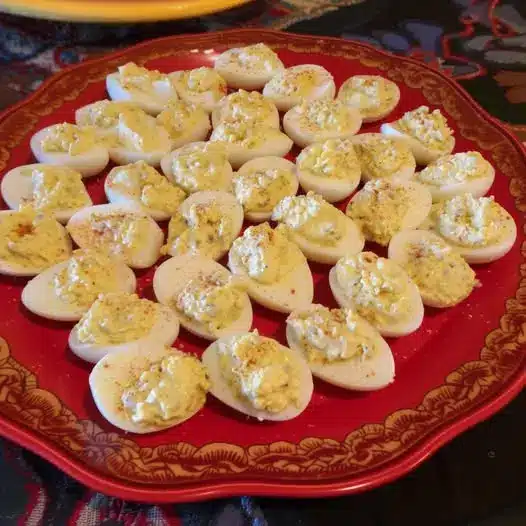
Garnishing Ideas
Beyond the traditional paprika, consider garnishing with microgreens, a small piece of smoked salmon, or even a single caper. These small additions provide visual contrast and hint at the flavors inside. If you are serving these at a holiday appetizer spread, consider placing them alongside lighter fare like crudités or pickled vegetables to balance the richness of the yolks.
Pairing with Other Dishes
Deviled eggs are the perfect companion to salty, cured meats or heavy holiday mains like glazed ham or roasted turkey. They also work exceptionally well at a summer cookout, acting as a cooling side dish to spicy grilled chicken or ribs. Because they are rich, they pair beautifully with crisp, acidic white wines like Sauvignon Blanc or a dry sparkling cider.
Storage and Make-Ahead Guidance
Many people wonder if they can prepare this best classic deviled eggs recipe in advance. The answer is a resounding yes, provided you store the components correctly to prevent the yolks from drying out or the whites from becoming rubbery.
Storing Leftovers
If you have leftovers, they must be refrigerated in an airtight container. They are best consumed within 2 days. Be aware that the paprika may bleed into the yolk filling over time, which doesn’t affect the taste but does change the appearance. To keep them fresh, place a piece of plastic wrap directly against the surface of the filling to prevent oxidation.
Making It Ahead
For the best results when making ahead, boil and peel the eggs, and prepare the yolk filling, but keep them separate. Store the egg white halves in a sealed bag or container with a damp paper towel to keep them hydrated. Store the yolk mixture in a separate piping bag with the end tightly sealed. Assemble the eggs just an hour or two before serving for the freshest possible taste and texture.
Final Thoughts
The best classic deviled eggs recipe is a testament to the idea that simple ingredients, when treated with care, produce the most enduring favorites. By focusing on the texture of your filling and ensuring your eggs are easy to peel, you can serve a dish that feels both nostalgic and sophisticated. It is a reliable, versatile, and undeniably delicious addition to any menu. Whether you stick to the traditional paprika dusting or experiment with spicy and savory toppings, these eggs are guaranteed to disappear quickly from any table.
Frequently Asked Questions
How do I make eggs easier to peel?
The secret is two-fold: start with slightly older eggs and use an ice bath immediately after boiling. The temperature shock causes the egg to contract slightly within the shell, breaking the bond between the membrane and the white. Peeling under cool running water also helps the shell slide right off without taking chunks of the egg white with it.
Why are my deviled egg yolks gray or green?
That unattractive green ring is a sign of overcooking. It happens when the iron in the yolk reacts with the sulfur in the white. To avoid this, ensure you remove the eggs from the heat as soon as the water boils and use a timer to track the 12-minute resting period exactly. Immediate chilling in ice water also prevents this reaction.
Can I freeze deviled eggs?
Freezing is not recommended for this recipe. While the yolk filling might survive the freezer, the cooked egg whites become incredibly rubbery and watery upon thawing, completely ruining the texture of the dish. It is always better to make them fresh or just a day or two in advance.
How long can deviled eggs sit out at a party?
Safety is paramount with egg-based dishes. According to food safety guidelines, deviled eggs should not sit at room temperature for more than two hours. If the ambient temperature is very warm (like at an outdoor summer party), that time drops to one hour. To keep them out longer, place the serving platter on a bed of ice.
What can I use instead of mayonnaise?
If you aren’t a fan of mayo, you can substitute it with Greek yogurt, sour cream, or even mashed avocado. Keep in mind that these will change the flavor profile—yogurt adds more tang, while avocado adds a buttery, vegetal note. You may need to adjust the salt and mustard levels to compensate for the change in base fats.
Classic Southern Deviled Eggs

These classic Southern-style deviled eggs are a timeless appetizer, featuring a smooth and creamy yolk filling with a hint of tangy mustard and a dash of vinegar. Perfectly seasoned and topped with smoked paprika, they are a staple for any holiday gathering or potluck.
- Egg Base
- 6 large eggs
- 1/4 cup mayonnaise
- 1 teaspoon yellow mustard
- 1 teaspoon apple cider vinegar
- Salt and freshly ground black pepper to taste
- Smoked paprika for garnish
- Fresh chives or parsley, finely chopped (optional)
- 1Boil the eggs: Place the eggs in a single layer in a medium saucepan and cover with water by at least an inch. Bring to a rolling boil, then cover the pan and remove from the heat. Let the eggs sit in the hot water for 12 minutes.
- 2Cool in ice bath: Transfer the eggs immediately to a bowl filled with ice and cold water. Let them cool for at least 5 to 10 minutes to ensure easy peeling.
- 3Peel and slice: Gently tap the eggs to crack the shells and peel them under cold running water. Slice each egg in half lengthwise.
- 4Prepare the filling: Carefully remove the yolks and place them into a small mixing bowl. Use a fork to mash the yolks until they are fine and crumbly.
- 5Mix ingredients: Add the mayonnaise, yellow mustard, and apple cider vinegar to the yolks. Mix until the filling is silky and smooth. Season with salt and pepper to taste.
- 6Pipe the filling: Spoon the mixture into the egg white halves, or for a more professional look, use a piping bag fitted with a star tip to fill the cavities.
- 7Garnish and serve: Sprinkle the tops with a light dusting of smoked paprika and garnish with fresh herbs if desired. Serve immediately or keep chilled.
Keywords: deviled eggs, southern appetizers, classic deviled eggs, keto snacks, party food, hard-boiled eggs


