
Cream Puffs

There is something truly magical about the moment you bite into a perfectly executed pastry. The contrast between a crisp, golden outer shell and a cool, velvety center is the hallmark of a world-class dessert, yet it is surprisingly achievable in your own kitchen. Mastering the best homemade cream puff recipe is often considered a rite of passage for home bakers, transforming simple pantry staples like flour, eggs, and butter into an elegant French delicacy. Whether you are preparing these for a sophisticated dinner party or a cozy family Sunday, the result is a light and airy dessert that feels far more luxurious than the sum of its parts.
While French pastry can sometimes feel intimidating, the process of making Choux is actually quite logical once you understand the science behind the rise. This guide is designed to take the guesswork out of the French pastry technique, providing you with the sensory cues and technical milestones needed to ensure your puffs come out hollow, sturdy, and ready to be filled. By focusing on the texture of the dough and the precision of the bake, you will create a professional-quality treat that rivals any high-end bakery. Let’s dive into the secrets of creating these iconic choux pastry shells from scratch.
Why This Recipe Is a Keeper
- Textural Perfection: This method focuses on drying out the shells properly, ensuring they stay crisp on the outside while remaining hollow and light on the inside.
- Versatile Base: Once you master the shells, you can fill them with anything from traditional silky vanilla pastry cream to whipped cream, lemon curd, or even savory chicken salad.
- Impressive Results: There is nothing quite like the “wow” factor of a towering platter of cream puffs, making this a go-to for celebrations and holidays.
- Make-Ahead Friendly: The shells can be baked in advance and refreshed in the oven, making your hosting duties much easier when it comes time to serve.
Ingredients You’ll Need
To achieve the best homemade cream puff recipe, you need ingredients that provide both structure and moisture. Each component plays a specific chemical role in the oven, so choosing the right quality and following the order of operations is essential for success.
- Whole Milk and Water: Using a combination of both provides the perfect balance. Water helps the dough rise higher through steam, while milk adds fat for a tender crumb and natural sugars for beautiful browning.
- Unsalted Butter: Butter provides the richness and fat necessary for a pliable dough. Using unsalted allows you to control the seasoning precisely, ensuring the pastry isn’t overly salty.
- All-Purpose Flour: This provides the structural framework. The proteins in the flour develop just enough gluten to hold the steam inside, creating that famous hollow center.
- Large Eggs: Eggs are the “soul” of Choux pastry. They provide the leavening power as they expand in the heat and give the shells their beautiful golden hue and sturdy walls.
- Granulated Sugar and Salt: Even in a pastry that relies on its filling for sweetness, a small amount of sugar in the dough aids in caramelization, while salt enhances the buttery flavor.
- Heavy Cream or Whole Milk (for Filling): For a traditional silky vanilla pastry cream, high-quality dairy is a must to achieve that decadent, melt-in-your-mouth mouthfeel.
- Vanilla Bean or Extract: Since the filling is the star of the show, using a high-quality vanilla makes a noticeable difference in the final flavor profile.
Variations and Smart Swaps
The Chocolate Lover’s Version: Transform your puffs into profiteroles by drizzling the filled shells with a warm dark chocolate ganache. You can even dip the tops of the shells into the chocolate before filling for a cleaner look.
Savory Gougères: Omit the sugar and vanilla from the dough and fold in a half-cup of finely grated Gruyère or sharp cheddar cheese along with a pinch of black pepper. These make for an incredible appetizer.
Fruit-Forward Fillings: If you want something lighter than pastry cream, fold fresh raspberry puree or lemon curd into stabilized whipped cream for a bright, seasonal twist on the classic.
Crunchy Craquelin Top: For a professional “bakery” look, place a thin disc of cookie-like dough (butter, sugar, and flour) on top of the piped Choux before baking. It creates a cracked, sweet, and crunchy topping that is visually stunning.
How to Make the Best Homemade Cream Puff Recipe
Step 1: Developing the Panade Base
The journey begins on the stovetop by combining your liquids, butter, sugar, and salt. Bring the mixture to a full boil to ensure the butter is completely melted and the temperature is high enough to gelatinize the starch in the flour. Once boiling, dump the flour in all at once and stir vigorously. You are looking for the dough to form a cohesive ball that pulls away from the sides of the pan, leaving a thin film or “mask” on the bottom. This cooking process is vital because it evaporates excess moisture and prepares the flour to absorb the eggs, which is the secret to a light and airy dessert.
Step 2: Incorporating the Eggs for Elasticity
After letting the dough cool slightly so you don’t scramble the eggs, you will add them one by one. This is the most critical stage of the French pastry technique. You may use a stand mixer or a wooden spoon, but the goal is to reach a specific consistency: the dough should be glossy and smooth, and when you lift the beater, the dough should fall slowly and form a “V” shape. If it’s too stiff, the puffs won’t rise; if it’s too liquid, they will collapse. Adding the eggs gradually allows you to monitor this “V-stage” perfectly.
Step 3: Piping and High-Heat Baking
Transfer the dough to a piping bag and pipe uniform mounds onto a parchment-lined sheet. Before sliding them into the oven, use a damp finger to smooth down any peaks, which prevents burning. The baking process typically happens in two stages: a high-heat start to generate rapid steam for the “puff,” followed by a lower temperature to dry out the interiors. Whatever you do, do not open the oven door during the first 20 minutes, as the rush of cool air can cause the fragile structures to deflate instantly.
Step 4: Creating the Silky Vanilla Pastry Cream
While the shells cool, prepare the filling by tempering hot milk into a mixture of egg yolks, sugar, and cornstarch. Cook the mixture over medium heat, whisking constantly until it thickens into a lush custard. Whisking in a bit of cold butter at the end creates that signature silky vanilla pastry cream texture. Press a piece of plastic wrap directly onto the surface of the cream to prevent a skin from forming, and chill it thoroughly before use. A cold filling is essential for a refreshing contrast against the room-temperature pastry.
Step 5: Venting and Filling the Shells
Once the shells are baked, use a small paring knife or a toothpick to poke a tiny hole in the side or bottom of each puff. This allows any remaining steam to escape, ensuring the insides stay dry rather than soggy. When the shells and cream are both completely cool, you can either slice the tops off and spoon the cream in or use a piping bag with a small tip to inject the cream through the vent hole. This final step brings the best homemade cream puff recipe to life, ready for a final dusting of powdered sugar.
Pro Tips for Success
- Tip: Weigh Your Ingredients. For the best homemade cream puff recipe, precision is everything. Using a kitchen scale for the flour and eggs ensures the hydration level is perfect every time.
- Tip: Room Temperature Eggs. Cold eggs can shock the warm dough and make it difficult to emulsify. Submerge your eggs in warm water for 5 minutes before using if you forgot to take them out of the fridge.
- Tip: The “V” Test. Always check the consistency of your dough before adding the final egg. You may not need the entire last egg, or you might need a teaspoon more water depending on the humidity.
- Tip: Avoid Humidity. Making Choux on a very rainy or humid day can be tricky, as the shells absorb moisture from the air. If it’s humid, bake them a few minutes longer to ensure they are extra dry.
- Tip: Use a Silpat or Parchment. Never pipe directly onto a greased cookie sheet. The dough needs something to “grip” to climb upward, and parchment or a silicone mat provides the ideal surface.
Troubleshooting Common Problems
Why Did My Cream Puffs Collapse?
Collapsing usually happens for two reasons: either the dough had too much moisture (too many eggs) or the shells weren’t baked long enough to solidify the walls. If the interior is still doughy when they come out, the steam will turn back into water and pull the shell down. Ensure you see a deep golden brown color and feel a light, hollow weight before removing them from the oven.
Why Is My Dough Too Runny to Pipe?
If your dough won’t hold its shape when piped, you likely added the eggs too quickly or added one too many. Unfortunately, you cannot fix runny dough by adding raw flour. The best fix is to make a half-batch of the stovetop “panade” (the flour and water/butter mixture) and slowly incorporate the runny dough into the new, thick base until the correct consistency is reached.
Why Are the Bottoms of My Puffs Burnt?
This is often caused by using a dark, thin baking sheet or placing the rack too low in the oven. To prevent this, use a light-colored, heavy-duty rimmed baking sheet and bake on the middle rack. If your oven runs hot on the bottom, you can “double pan” by nesting your baking sheet inside another one for insulation.
How to Serve Your Homemade Cream Puffs
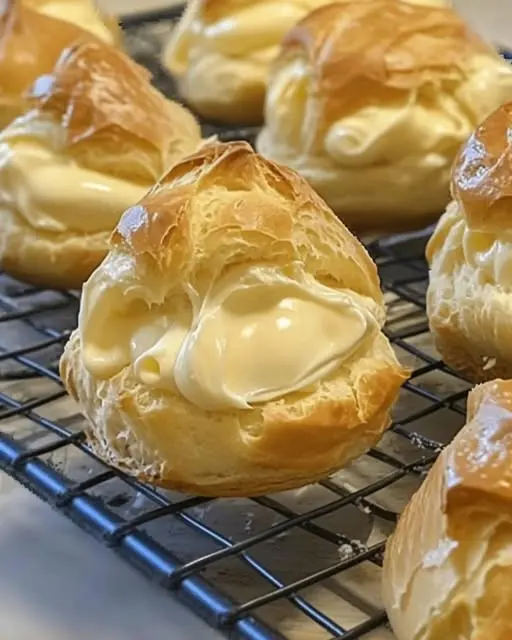
Presentation is key when serving the best homemade cream puff recipe. For a classic look, a simple dusting of confectioners’ sugar is all you need. If you are serving these at a formal event, consider plating three puffs in a shallow bowl with a pool of creme anglaise or a few fresh berries to add acidity to the rich cream.
Garnishes and Toppings
Beyond powdered sugar, you can get creative with toppings. A drizzle of salted caramel, a sprinkle of toasted sliced almonds, or even a few flakes of sea salt can elevate the flavor profile. For a holiday touch, try dipping the tops in a white chocolate glaze and topping with crushed peppermint or edible gold leaf.
Creative Serving Ideas
Instead of individual puffs, you can pipe the dough into a large ring to create a Paris-Brest, or stack them into a cone shape bound by caramel to create a traditional French Croquembouche. If you are serving a crowd, a “cream puff bar” with different fillings and toppings allows guests to customize their own light and airy dessert experience.
Storage and Make-Ahead
Storing Leftovers
Filled cream puffs are best enjoyed within a few hours of assembly, as the moisture from the cream will eventually soften the crisp shell. If you have leftovers, store them in an airtight container in the refrigerator for up to 24 hours. Note that the shells will lose their crunch, but they will still taste delicious.
Freezing and Reheating
The choux pastry shells actually freeze beautifully. Once baked and cooled, place the empty shells in a freezer bag for up to two months. To serve, thaw them at room temperature and then pop them into a 350°F oven for 5 minutes to crisp them back up. This is a fantastic trick for stress-free entertaining.
Making It Ahead
You can prepare the pastry cream up to two days in advance and keep it chilled in the fridge. The dough itself can also be made a few hours ahead of time and kept in the piping bag at room temperature, though for the best rise, it is usually recommended to bake the dough while it is still slightly warm from the stovetop process.
Final Thoughts
Taking the time to learn the best homemade cream puff recipe is a rewarding investment for any home baker. While the process requires attention to detail, the rhythm of stirring the dough and the excitement of watching the shells triple in size in the oven is pure culinary joy. These puffs are a testament to how simple ingredients can be transformed through French pastry technique into something elegant and unforgettable. Once you master the basic shell, the world of pastry opens up to you, allowing for endless creativity with flavors and presentations. Happy baking!
Frequently Asked Questions
Can I make the dough by hand without a mixer?
Absolutely! In fact, many traditionalists prefer making Choux with a sturdy wooden spoon. It gives you a better “feel” for the dough’s consistency as you add the eggs. It is a bit of an arm workout, but it is entirely possible to achieve a perfect light and airy dessert without any electric equipment. Just ensure you beat the dough vigorously after each egg to fully incorporate the fat and protein.
Can I use bread flour instead of all-purpose flour?
Yes, you can. Bread flour has a higher protein content, which can actually result in a slightly sturdier shell that holds its shape even better. However, the puffs might be a bit chewier rather than light and crisp. If you use bread flour, you may find you need an extra tablespoon of liquid or a slightly larger egg to reach the proper “V” consistency, as the higher protein absorbs more moisture.
How do I stop my pastry cream from being lumpy?
Lumps in silky vanilla pastry cream usually occur if the egg mixture is added to the hot milk too quickly or if it isn’t whisked constantly while thickening. If you do end up with a few lumps, don’t panic. Simply pass the finished cream through a fine-mesh sieve while it is still warm. This will remove any cooked egg bits or flour clumps, leaving you with a perfectly smooth result.
Why did my shells turn out flat?
Flat shells are usually the result of “weak” steam. This happens if the oven temperature wasn’t high enough at the start or if the dough was too thin. Another common culprit is opening the oven door too early, which lets the steam escape before the egg proteins have set. Ensure your oven is fully preheated (use an oven thermometer if possible) and keep that door closed until the shells are golden and set.
Can I use a different oil instead of butter?
Butter is highly recommended for Choux pastry because it provides flavor and contains a small percentage of water which aids in the steaming process. While you can technically use oil, the flavor will be significantly different, and the shells may lack the structural integrity provided by the saturated fats in butter. If you must go dairy-free, a high-quality vegan butter stick is a better substitute than liquid oil.
Classic Homemade Cream Puffs

Light, airy choux pastry shells filled with a luscious, sweetened vanilla whipped cream. These elegant French-style treats are golden-brown on the outside and hollow on the inside, making them the perfect vessel for any sweet filling.
- Choux Pastry Shells
- 1 cup water
- 1/2 cup unsalted butter, cubed
- 1/4 teaspoon salt
- 1 cup all-purpose flour
- 4 large eggs, room temperature
- Whipped Cream Filling
- 2 cups heavy whipping cream, chilled
- 1/2 cup powdered sugar
- 1 teaspoon pure vanilla extract
- 1Preheat your oven to 400°F (200°C). Line a large baking sheet with parchment paper or a silicone baking mat.
- 2In a medium saucepan, combine the water, butter, and salt. Bring to a rolling boil over medium-high heat.
- 3Reduce heat to low and add the flour all at once. Stir vigorously with a wooden spoon until the mixture forms a ball and pulls away from the sides of the pan (about 1-2 minutes).
- 4Remove from heat and let cool for 5 minutes. Add the eggs one at a time, beating thoroughly after each addition with a wooden spoon or electric mixer until the dough is smooth, glossy, and thick.
- 5Using a pastry bag or two spoons, drop mounds of dough (about 2 tablespoons each) onto the prepared baking sheet, spaced 2 inches apart.
- 6Bake for 20-25 minutes until the puffs are golden brown and firm to the touch.
- 7Immediately remove from the oven and use a small knife to poke a tiny slit in the side of each puff to allow steam to escape. Transfer to a wire rack to cool completely.
- 8For the filling, beat the heavy cream, powdered sugar, and vanilla in a chilled bowl until stiff peaks form.
- 9Once puffs are completely cool, slice off the tops or use a piping tip to fill the centers with the whipped cream. Replace the tops and dust with extra powdered sugar if desired.
Keywords: cream puffs, choux pastry, dessert recipes, french pastry, vanilla cream, baking


