
Lemon Cheesecake

There is something undeniably sophisticated about a best homemade lemon cheesecake recipe that strikes the perfect balance between rich, velvety decadence and the bright, sun-drenched flavor of fresh citrus. Unlike heavy, New York-style cheesecakes that can sometimes feel overwhelming, a lemon-infused version offers a refreshing lift, making it the ultimate dessert for spring gatherings, summer dinner parties, or any moment that calls for a bit of elegance. The texture is key here; it should be dense enough to feel luxurious on the fork, yet silky enough to melt away the moment it hits your tongue, all while sitting atop a buttery, toasted crust that provides a much-needed crunch.
Mastering this creamy lemon cheesecake doesn’t require professional pastry training, but it does demand an understanding of a few essential techniques that ensure a crack-free surface and a perfectly set center. From the way you cream the cheese to the gentle humidity of a water bath, every step serves a purpose in creating a dessert that looks just as beautiful as it tastes. This guide will walk you through the nuances of the perfectly baked cheesecake, providing you with the confidence to skip the bakery and create a world-class showstopper right in your own kitchen.
Why This Recipe Is a Keeper
- Dynamic Flavor Profile: The combination of zest and juice provides a multi-layered citrus experience that cuts through the richness of the cream cheese, ensuring every bite is bright and balanced.
- Exceptional Texture: By using specific mixing methods and a controlled cooling process, you achieve a professional-grade silkiness that avoids the graininess or dryness often found in lesser recipes.
- Make-Ahead Convenience: Because cheesecakes require a long chill time to develop their full flavor and structure, this is the perfect stress-free dessert to prepare a full day before your event.
- Customizable Foundation: While the lemon is the star, the base recipe is incredibly stable, allowing you to experiment with different crusts or fruit toppings to suit your personal preferences.
Ingredients You’ll Need
To achieve the best homemade lemon cheesecake recipe, the quality and temperature of your ingredients are just as important as the measurements themselves. Choosing high-fat, fresh components ensures a mouthfeel that is remarkably smooth and a flavor that feels authentic rather than artificial.
- Full-Fat Cream Cheese: Always use the blocks of cream cheese rather than the whipped variety. The higher fat content and lower moisture level are essential for the structural integrity and richness of the filling.
- Graham Crackers: These form the classic graham cracker crust. Their slightly honeyed sweetness and sandy texture provide the perfect contrast to the creamy lemon center.
- Fresh Lemons: You will need both the zest and the juice. The zest contains the essential oils that provide a deep, floral citrus aroma, while the juice provides the necessary acidity and tang.
- Granulated Sugar: Sugar does more than sweeten; it helps break down the cream cheese during the mixing process, contributing to the overall aeration and smoothness of the batter.
- Sour Cream: This is the secret to a nuanced tang and a softer, more yielding texture. It prevents the cheesecake from becoming too “heavy” or strictly cheese-forward.
- Large Eggs: Eggs act as the primary binding agent. It is vital they are at room temperature to ensure they emulsify properly into the batter without over-incorporating air.
- Unsalted Butter: Melted butter binds the crust crumbs together and, once chilled, provides a firm, snap-like texture that holds up under the weight of the filling.
- Pure Vanilla Extract: A touch of vanilla acts as a background note that enhances the brightness of the lemon and the sweetness of the cream cheese.
Easy Ways to Change It Up
Meyer Lemon Variation: If you prefer a sweeter, more floral citrus profile, swap standard Lisbon or Eureka lemons for Meyer lemons. They are less acidic and carry a hint of mandarin orange flavor that pairs beautifully with the cream cheese.
Gingersnap Crust: For a spicy, warm twist, replace the graham crackers with crushed gingersnap cookies. The bite of the ginger creates a sophisticated contrast against the tart lemon filling, making it a great choice for transitional seasons.
Berry Swirl Addition: Before baking, you can drop small spoonfuls of a thick raspberry or blueberry puree onto the top of the batter and use a toothpick to create a decorative swirl for a lemon curd topping aesthetic with a fruity punch.
White Chocolate Infusion: For a more decadent dessert, melt high-quality white chocolate and fold it into the batter. This adds a buttery, milky sweetness that rounds out the sharp edges of the lemon juice.
How to Make the Best Homemade Lemon Cheesecake
Step 1: Prepare the Golden Graham Cracker Base
The foundation of any great cheesecake is a crust that is both flavorful and structurally sound. Begin by pulsing your crackers into fine crumbs, ensuring there are no large chunks left behind. Mix these with a bit of sugar and your melted butter until the mixture resembles wet sand. Press the mixture firmly into the bottom and slightly up the sides of a springform pan. A flat-bottomed measuring cup is a great tool here to ensure an even, compacted layer. Pre-baking the crust for about ten minutes is a crucial step; it toasts the crumbs and sets the butter, preventing the crust from becoming soggy once the wet filling is added.
Step 2: Cream the Cheese and Sugar Slowly
Achieving a perfectly baked cheesecake starts with the mixing method. Place your room-temperature cream cheese in a large bowl and beat it with the sugar at a low to medium speed. The goal is to create a completely smooth, lump-free paste without whipping in excessive amounts of air. If you beat the mixture too vigorously, you’ll incorporate air bubbles that will expand in the oven and cause the cheesecake to puff up and then crack as it cools. Scrape down the sides and bottom of the bowl frequently to ensure every bit of cheese is incorporated into the sugar.
Step 3: Incorporate the Aromatics and Citrus
Once the cheese and sugar are silky, it is time to add the flavor. Mix in the sour cream, vanilla, lemon zest, and lemon juice. The acidity of the lemon will immediately start to interact with the fats in the cheese, creating a thick, fragrant batter. When adding the eggs, do so one at a time, mixing only until the yellow streaks disappear. Over-mixing at the egg stage is the leading cause of “cheesecake failure,” as it creates a souffle-like texture rather than the dense, creamy consistency we are aiming for in this best homemade lemon cheesecake recipe.
Step 4: The Essential Water Bath Method
To protect the delicate proteins in the eggs and cheese, you must bake the cake in a water bath, also known as a bain-marie. Wrap the outside of your springform pan tightly in several layers of heavy-duty aluminum foil to prevent water from seeping in. Place the filled pan inside a larger roasting pan and pour boiling water into the roasting pan until it reaches about halfway up the sides of the cheesecake mold. This creates a humid environment and ensures the edges of the cake don’t overcook before the center has a chance to set, resulting in a perfectly level surface.
Step 5: The Low and Slow Cooling Process
Patience is arguably the most important ingredient in this recipe. When the cheesecake is finished baking, it should still have a slight “jiggle” in the center—think of it like firm gelatin. Turn off the oven, prop the door open slightly with a wooden spoon, and let the cake sit inside for an hour. This gradual temperature shift prevents the cake from shrinking too quickly and pulling away from the sides, which causes cracks. After the hour is up, let it reach room temperature on the counter before transferring it to the refrigerator for at least six hours, though overnight is always better for the creamy lemon cheesecake texture to fully develop.
Pro Tips for the Best Results
- Room Temp is Non-Negotiable: Ensure your cream cheese, eggs, and sour cream are at room temperature. Cold ingredients will create lumps that are impossible to smooth out once the liquid ingredients are added.
- Zest Before You Juice: It is nearly impossible to zest a lemon once it has been squeezed. Always remove the bright yellow outer layer first, being careful not to include the bitter white pith.
- Tap Out the Bubbles: After pouring the batter into the crust, gently tap the pan on the counter a few times. This encourages any trapped air bubbles to rise to the surface and pop before baking.
- Check for the Jiggle: Don’t wait for the cheesecake to look “solid.” The residual heat will continue to cook the center as it cools. If it doesn’t jiggle at all when you gently shake the pan, it’s likely overbaked.
- Use a Hot Knife: For those clean, professional-looking slices, dip a long thin knife into hot water and wipe it dry between every single cut. This prevents the cheese from sticking and tearing.
Troubleshooting Common Problems
Why Did My Cheesecake Crack?
Cracks are usually caused by two things: over-mixing the eggs or a sudden change in temperature. When you over-mix, you incorporate air that expands and then collapses. Similarly, taking a cake directly from a hot oven to a cold counter causes the structure to shrink too fast. Following the “oven-cooling” step in the instructions is your best defense against this common issue.
Why Is My Crust Soggy?
A soggy crust usually means water leaked through the foil during the water bath. To prevent this, use extra-wide, heavy-duty foil so there are no seams at the bottom of the pan. Alternatively, you can place the springform pan inside a slightly larger silicone cake pan, then place that into the water bath for a 100% waterproof seal.
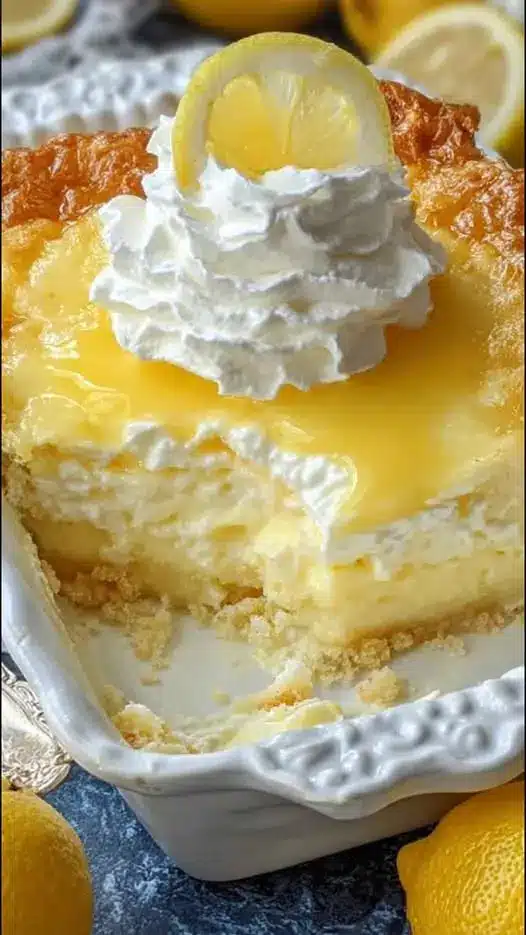
How to Serve Your Lemon Cheesecake
While the best homemade lemon cheesecake recipe is stunning on its own, the right accompaniments can elevate it to a restaurant-quality experience. The serving stage is where you can truly lean into the citrus theme or provide a contrasting flavor to the tartness.
Garnishes and Toppings
A thick layer of lemon curd topping spread over the chilled cheesecake adds an extra punch of flavor and a beautiful glossy finish. If you want something lighter, a dollop of freshly whipped cream—sweetened slightly with powdered sugar—softens the lemon’s acidity. For a pop of color, fresh raspberries or blueberries are classic choices that pair naturally with lemon.
Presentation Tips
For a formal look, use a vegetable peeler to create long, elegant curls of lemon zest to scatter over the top. You can also dust the edges with a light coating of confectioners’ sugar just before serving. If you want to get creative, candied lemon slices offer a sophisticated, chewy texture and a beautiful stained-glass appearance that hints at the flavors inside.
Storage and Make-Ahead Guidance
Storing Leftovers
Cheesecake is highly susceptible to picking up odors from the refrigerator, so it must be stored correctly. Keep your creamy lemon cheesecake in an airtight container or tightly wrapped in plastic wrap. It will stay fresh and delicious for up to five days, though the crust may lose some of its crispness after the third day.
Freezing Instructions
Cheesecake freezes remarkably well. If you want to save the whole cake or individual slices, let the cake chill completely in the fridge first. Wrap it in a double layer of plastic wrap followed by a layer of aluminum foil. It can be frozen for up to three months. To serve, thaw the cake in the refrigerator overnight; never thaw it on the counter, as the texture will become compromised.
Final Thoughts
Creating the best homemade lemon cheesecake recipe is a rewarding process that yields a dessert far superior to anything you’ll find in a grocery store. By focusing on the temperature of your ingredients and utilizing the gentle heat of a water bath, you ensure a result that is consistently creamy, bright, and impressive. Whether you are celebrating a special milestone or simply want to brighten up a weekend, this cheesecake stands as a testament to the beauty of simple, high-quality ingredients handled with care. Take your time with the cooling process, and you’ll be rewarded with a perfectly baked cheesecake that everyone will be asking for the recipe for.
Frequently Asked Questions
Can I use bottled lemon juice instead of fresh?
While bottled juice is convenient, it is not recommended for this recipe. Bottled juices often have a muted flavor and can contain preservatives that give the cheesecake a slightly metallic aftertaste. Fresh lemons provide the essential oils from the zest and a bright, sharp acidity from the juice that defines the character of a creamy lemon cheesecake.
What if I don’t have a roasting pan for the water bath?
If you don’t have a pan large enough to hold your springform pan, you can place a deep tray of boiling water on the bottom rack of your oven while the cheesecake bakes on the middle rack. This won’t be quite as effective as a true bain-marie at regulating the temperature of the pan itself, but it will provide the necessary humidity to help prevent the surface from drying out and cracking.
Can I make this recipe gluten-free?
Absolutely. The filling of this best homemade lemon cheesecake recipe is naturally gluten-free (just double-check your vanilla extract and cream cheese brands). To make the entire dessert gluten-free, simply swap the standard graham crackers for your favorite gluten-free graham cracker brand or a mixture of crushed almond flour and sugar for a nut-based crust.
How do I know for sure when the cheesecake is done?
The “jiggle test” is the most reliable method. Gently shake the pan; the edges should be set and slightly puffed, but the center (about 2 or 3 inches in the middle) should still wobble slightly like a bowl of set pudding. If the center looks liquid, it needs more time. If the center is firm and doesn’t move at all, it is unfortunately overbaked, though it will still be delicious.
Why does my cheesecake taste like it has grains in it?
Graininess is almost always caused by using cold cream cheese. When cold cheese is mixed with sugar, it breaks into tiny, firm beads that are nearly impossible to fully incorporate later. To fix this in future bakes, ensure the cheese is very soft—leave it on the counter for at least two hours before starting. If you’re in a rush, you can soften the unwrapped blocks in the microwave for 15-20 seconds on low power.
Classic Creamy Lemon Cheesecake

A bright and refreshing lemon cheesecake with a smooth, velvety texture and a buttery graham cracker crust. Perfect for any celebration.
- 1 1/2 cups graham cracker crumbs
- 6 tbsp unsalted butter, melted
- 24 oz cream cheese, room temperature
- 1 cup granulated sugar
- 1 cup full-fat sour cream
- 1 tsp vanilla extract
- 3 large eggs
- 1/3 cup fresh lemon juice
- 1 tbsp lemon zest
- 1Preheat oven to 325°F (163°C) and grease a 9-inch springform pan.
- 2Combine graham cracker crumbs and melted butter, then press firmly into the bottom of the pan.
- 3In a large bowl, beat cream cheese and sugar until smooth and creamy.
- 4Add sour cream, vanilla, lemon juice, and lemon zest; mix until well combined.
- 5Add eggs one at a time, beating on low speed just until incorporated.
- 6Pour the batter into the prepared crust.
- 7Bake for 55-65 minutes, or until the edges are set but the center still has a slight jiggle.
- 8Turn off the oven and let the cheesecake sit inside with the door cracked for 1 hour.
- 9Refrigerate for at least 6 hours or overnight before serving.
Keywords: lemon cheesecake, dessert, baking, citrus, cream cheese recipe


