
Southern Fried Chicken

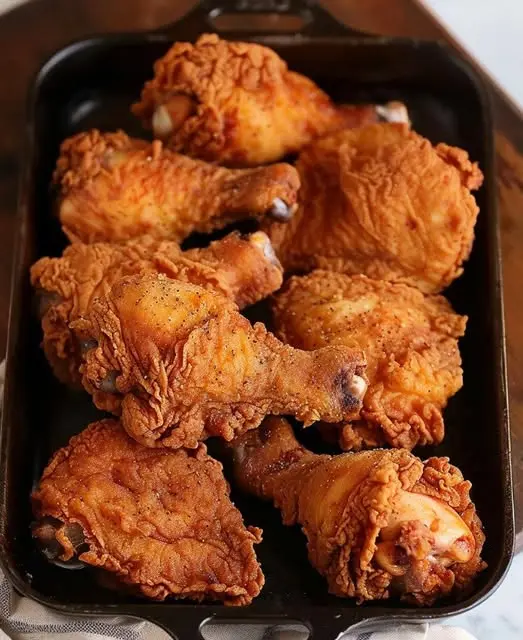
There is something deeply nostalgic and undeniably comforting about a platter of perfectly golden, best southern fried chicken recipe sitting in the center of a dinner table. It is the gold standard of American comfort food, defined by a shatteringly crisp exterior that gives way to meat so tender it nearly falls off the bone. Achieving that iconic crunch while keeping the interior succulent requires a balance of patience, temperature control, and a few specific techniques that separate a standard meal from a legendary one. This version focuses on a deep, savory flavor profile enhanced by a traditional buttermilk soak and a heavily seasoned flour coating that stands up to the heat of the frying oil.
Mastering this dish is a rite of passage for any home cook, and while it might seem intimidating to work with hot oil and multi-stage dredging, the process is incredibly rewarding. By understanding how acidity affects the protein and why a specific blend of starches creates the ultimate crust, you can replicate the crispy fried chicken experience usually reserved for specialized smokehouses and Southern kitchens. Whether you are preparing a Sunday supper or a festive picnic, this method ensures every piece is consistently seasoned, cooked through, and exceptionally crunchy without being overly greasy.
Why This Recipe Is a Keeper
- Incredible Texture: The combination of a long buttermilk brine and a dual-starch flour coating creates a thick, craggy crust that stays crunchy long after the chicken leaves the pan.
- Maximum Juiciness: By utilizing a seasoned liquid soak, the meat is infused with moisture and salt all the way to the bone, preventing the dreaded dryness often found in buttermilk fried chicken.
- Classic Flavor Profile: The spice blend avoids gimmicks, relying on a balanced mix of paprika, garlic, and a hint of heat to provide that traditional Southern soul-food taste.
- Reliable Technique: This method focuses on the “rest and fry” approach, which ensures the breading actually sticks to the bird rather than sliding off in the hot oil.
Ingredients You’ll Need
The success of this dish relies on a few core components that work in harmony to build layers of flavor. While the chicken is the star, the supporting cast of acids, fats, and starches performs the heavy lifting behind the scenes to ensure the final result is juicy chicken interior encased in a perfect shell.
- Bone-In Chicken Pieces: Using a mix of thighs, drumsticks, and breasts with the skin on is essential for flavor; the bone helps conduct heat evenly while the skin provides the base for the crust.
- Full-Fat Buttermilk: The lactic acid in buttermilk gently breaks down protein fibers, tenderizing the meat while providing a tangy foundation for the seasoned coating to cling to.
- All-Purpose Flour: This serves as the structural base of the breading, providing the bulk needed to create those iconic crags and ripples.
- Cornstarch: Mixing this into the flour is a pro move; it lowers the overall gluten content of the coating, resulting in a lighter, crispier, and more brittle crunch that doesn’t get tough.
- Smoked Paprika: Beyond adding a subtle earthiness, paprika is responsible for that beautiful, deep reddish-gold color that makes the chicken look professionally made.
- Cayenne Pepper: A small amount provides a “back-of-the-throat” heat that cuts through the richness of the fried coating without making the dish overtly spicy.
- Garlic and Onion Powder: These aromatics distribute evenly throughout the flour, ensuring every single bite is seasoned without the risk of fresh garlic burning in the high-heat oil.
- High Smoke Point Oil: Peanut oil or vegetable oil is preferred here, as they can withstand the 350°F frying temperature without breaking down or smoking.
Variations and Smart Swaps
Nashville Hot Style: If you prefer a significant kick, whisk a portion of the hot frying oil with extra cayenne, brown sugar, and chili powder, then brush this spicy glaze over the chicken immediately after frying.
Dairy-Free Adaptation: You can achieve a similar tenderizing effect by substituting the buttermilk with a mixture of unsweetened almond milk and a tablespoon of lemon juice or apple cider vinegar.
Herbed Crust: For a more savory, garden-forward flavor, add dried thyme, oregano, and a touch of rubbed sage to the flour mixture, which pairs beautifully with the natural richness of the dark meat.
Spiced Honey Drizzle: To lean into the “sweet and salty” trend, finish your fried chicken with a generous drizzle of honey infused with red pepper flakes or a dash of hot sauce right before serving.
How to Make the Best Southern Fried Chicken Recipe
Step 1: The Buttermilk Brine and Tenderizing Soak
The first step in achieving the best southern fried chicken recipe is the brine. Submerge your chicken pieces in a mixture of buttermilk and seasonings, ensuring every nook and cranny is covered. This isn’t just about flavor; the acidity in the buttermilk works to break down the tough muscle fibers over several hours. Ideally, let the chicken sit in the refrigerator for at least four hours, though overnight is even better. This ensures the salt and spices penetrate deep into the meat, so it is just as flavorful on the inside as it is on the outside.
Step 2: Prepare the Seasoned Flour Coating
In a large shallow dish or a heavy-duty gallon bag, whisk together the flour, cornstarch, and your array of spices. The cornstarch is vital here because it prevents the flour from developing too much gluten when it hits the moisture of the chicken, resulting in a crispy fried chicken texture that is light rather than leaden. Make sure the spices are thoroughly distributed so the color is uniform; a patchy flour mix will lead to uneven browning in the skillet.
Step 3: The Double-Dredge and Resting Period
Remove the chicken from the buttermilk, letting the excess drip off, then toss it into the flour mixture. Press the flour firmly onto the meat to create “shags”—those little bits of extra dough that turn into the crunchiest parts of the crust. A critical secret is to let the breaded chicken rest on a wire rack for about 15 to 20 minutes before frying. This allows the moisture to hydrate the flour, turning it into a glue-like paste that bonds to the skin, ensuring the breading doesn’t fall off in the pan.
Step 4: Managing the Oil Temperature
Whether you are using a deep fryer or cast iron skillet frying, the oil temperature is the most important technical variable. Heat your oil to 350°F. If the oil is too cold, the breading will absorb the fat and become greasy; if it is too hot, the outside will burn before the meat near the bone is safe to eat. Use a clip-on thermometer to monitor the heat, as the temperature will drop slightly every time you add a new piece of chicken to the vessel.
Step 5: Frying to Golden Perfection
Carefully lower the chicken into the oil, skin-side down first. Do not overcrowd the pan, as this causes the temperature to plummet and leads to soggy skin. Fry in batches, turning the pieces occasionally to ensure even browning. You are looking for a deep, mahogany gold color and an internal temperature of 165°F. Dark meat like thighs usually takes slightly longer than breasts. As each piece finishes, move it to a clean wire rack set over a baking sheet rather than a paper towel to keep the bottom from steaming and softening.
Pro Tips for Success
- Use Room Temperature Meat: Take the chicken out of the fridge about 30 minutes before frying. Cold chicken will cause the oil temperature to drop too fast, resulting in uneven cooking.
- The “Shag” Technique: Drizzle a few tablespoons of the buttermilk brine into your flour mixture and rub it in with your fingers to create small clumps. These clumps stick to the chicken and create extra-crunchy ripples.
- Cast Iron Is King: A heavy cast iron skillet holds heat better than stainless steel, providing more consistent cast iron skillet frying results and better browning.
- Don’t Use Paper Towels: Resting fried food on paper towels traps steam underneath. Use a wire rack so air can circulate around the entire piece, keeping the crust crisp on all sides.
- Monitor the Bubbles: If you don’t have a thermometer, dip the end of a wooden spoon in the oil. If it bubbles steadily, it’s ready. If it’s silent, it’s too cold; if it pops violently, it’s too hot.
Troubleshooting Common Problems
Why Is My Breading Falling Off?
This usually happens for two reasons: the chicken was too wet when it hit the flour, or you didn’t let the breaded chicken rest before frying. That 15-minute rest period allows the flour to hydrate and “set” onto the skin. Additionally, avoid moving the chicken too much in the first three minutes of frying; let the crust harden before you attempt to flip it.
Why Is the Chicken Bloody Near the Bone?
If the exterior is perfectly brown but the interior is undercooked, your oil was likely too hot. This causes the crust to cook at a much faster rate than the heat can penetrate the bone. If this happens, you can save the batch by placing the chicken on a rack in a 325°F oven for 10 minutes to finish the interior without further browning the skin.
Why Is My Fried Chicken Greasy?
Greasy chicken is almost always a result of low oil temperature. If the oil isn’t hot enough to immediately steam the moisture out of the breading, the fat will soak into the flour instead. Ensure your oil returns to 350°F between every batch you fry.
How to Serve This Dish
Presentation is key when serving a classic like buttermilk fried chicken. It is best enjoyed fresh and hot, ideally within 20 minutes of coming out of the fryer. This ensures the contrast between the hot, crunchy skin and the moist meat is at its peak.
Traditional Sides
You can’t go wrong with the classics. Serve your chicken alongside fluffy buttermilk biscuits, creamy mashed potatoes with black pepper gravy, or a sharp, tangy coleslaw to cut through the richness of the fried coating. For a true Southern experience, add a side of slow-simmered collard greens or honey-glazed cornbread.
Modern Pairings
If you want to lighten things up, a crisp green salad with a lemon vinaigrette provides a refreshing counterpoint. Pickled vegetables, such as bread and butter pickles or pickled red onions, add a bright acidity that cleanses the palate between bites of savory chicken.
Storage and Make-Ahead
Storing Leftovers
If you have leftovers, let them cool completely to room temperature before placing them in an airtight container. They will stay fresh in the refrigerator for up to three days. Note that the crust will naturally soften in the fridge due to the moisture in the meat.
Reheating for Best Texture
Avoid the microwave at all costs, as it will turn the crust rubbery. To restore the crispy fried chicken texture, place the pieces on a wire rack over a baking sheet and heat them in a 350°F oven for about 10 to 15 minutes. This allows the fat in the skin to re-render, crisping up the coating once again.
Making It Ahead
While you shouldn’t fry the chicken fully in advance, you can do all the prep work ahead of time. You can leave the chicken in the buttermilk brine for up to 24 hours. You can also mix your seasoned flour days in advance and store it in a pantry container, making the final assembly much faster on the day of your dinner.
Final Thoughts
Creating the best southern fried chicken recipe at home is a labor of love that pays off in every crunchy, savory bite. By respecting the process—from the long buttermilk soak to the careful monitoring of the oil—you transform simple ingredients into a culinary masterpiece. This isn’t just about making dinner; it’s about mastering a timeless technique that brings people together around the table. Once you’ve tasted the difference that a well-seasoned, double-dredged crust makes, you’ll never look at store-bought fried chicken the same way again. Grab your cast iron skillet and get ready to enjoy the most satisfying meal in your repertoire.
Frequently Asked Questions
Can I use chicken breasts instead of a whole cut-up chicken?
Yes, but keep in mind that boneless breasts cook much faster than bone-in pieces. To ensure they stay juicy, consider cutting large breasts into smaller, even-sized strips or “tenders.” This increases the surface area for the crunchy coating and helps them cook through before the breading burns. Always check the internal temperature to ensure they reach 165°F without overcooking.
What is the best oil for frying chicken?
Peanut oil is widely considered the gold standard for the best southern fried chicken recipe because of its high smoke point and neutral flavor. If you have an allergy or can’t find it, vegetable oil or canola oil are excellent alternatives. Avoid using olive oil or butter, as their smoke points are too low for the sustained high heat required for deep frying.
How do I keep the chicken warm while frying in batches?
The best method is to set your oven to its lowest setting (usually around 200°F). Place a wire rack inside a large rimmed baking sheet and put it in the oven. As each batch of chicken finishes frying and draining for a minute, transfer it to the rack in the oven. This keeps the chicken hot and the air circulation prevents the bottom of the crust from getting soggy while you finish the remaining pieces.
Do I have to use buttermilk?
While buttermilk is traditional for buttermilk fried chicken because of its acidity and thickness, you can use a substitute. A mixture of plain yogurt thinned with a little milk works well, or you can add a tablespoon of white vinegar to a cup of regular whole milk and let it sit for five minutes. The goal is to have an acidic liquid that helps tenderize the meat and allows the flour to stick effectively.
Should I fry with the lid on or off?
In traditional Southern “smothered” frying, some cooks use a lid for part of the process, but for the crispiest results, it is best to leave the lid off. Frying with a lid traps steam, which can lead to a softer crust. By frying in an open skillet or pot, the moisture from the chicken can escape freely, allowing the flour and cornstarch coating to dehydrate and become shatteringly crisp.


