
Southern Green Beans with Bacon

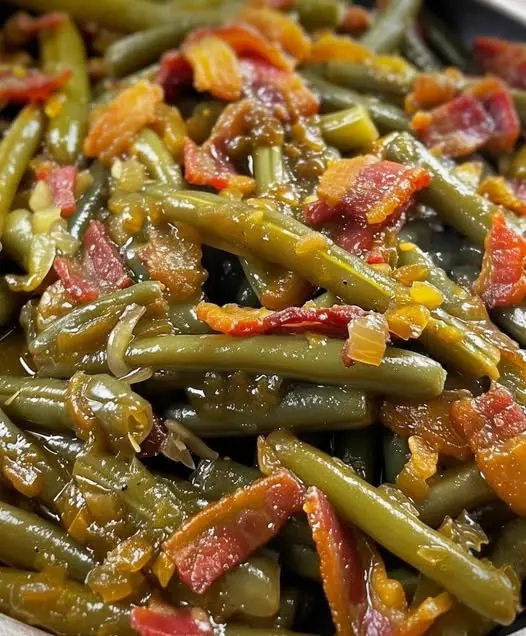
There is something deeply nostalgic and soul-warming about a pot of southern green beans with bacon simmering gently on the back of the stove. Unlike the bright, snappy green beans often served in modern bistros, this traditional preparation focuses on a slow-braising technique that allows the beans to become incredibly tender, nearly melting in your mouth. They absorb the smoky essence of the bacon, the sweetness of sautéed onions, and the savory depth of chicken broth, creating a comfort food side dish that has been a staple of Sunday dinners and holiday gatherings for generations.
Mastering this dish is less about complex culinary skills and more about understanding the harmony of fat, salt, and time. By choosing high-quality fresh green beans and allowing them to cook low and slow, you create a flavor profile that is remarkably deep and satisfying. This recipe transforms a humble garden vegetable into a rich, savory experience that pairs perfectly with everything from fried chicken to holiday roast turkey, making it an essential addition to your recipe box.
Why This Recipe Is a Keeper
- Incredible Depth of Flavor: The combination of rendered bacon fat, slow-cooked aromatics, and a savory broth creates a complex seasoning liquid that permeates every single bean.
- Superior Texture: This method moves past the “al dente” stage to achieve a fork-tender consistency that is traditional to Southern cooking, making the beans approachable and satisfying.
- Make-Ahead Convenience: Like many braised dishes, southern green beans with bacon actually taste better the next day, making them an ideal candidate for meal prep or holiday planning.
- Crowd-Pleasing Simplicity: Even those who typically shy away from green vegetables are often won over by the smoky, savory appeal of bacon-infused greens.
Ingredients You’ll Need
The beauty of this recipe lies in its short list of simple, accessible ingredients. Because there are so few components, the quality of each one matters significantly to the final outcome. Choosing the right cut of meat and the freshest produce will elevate the dish from a standard side to a standout centerpiece.
- Fresh Green Beans: Look for vibrant, snappy beans without soft spots. While pole beans or string beans are traditional, common Blue Lake varieties work beautifully when trimmed and snapped.
- Thick-Cut Bacon: A high-quality, smoky bacon provides the essential fat and flavor base. Thick-cut slices hold their shape better during the long simmering process than thin-style bacon.
- Yellow Onion: As the onion sautés in the bacon renderings, it caramelizes slightly, adding a necessary hint of sweetness to balance the salty and smoky notes.
- Fresh Garlic: Minced garlic adds a layer of aromatic warmth that rounds out the savory profile of the braising liquid without overpowering the beans.
- Chicken Broth: Using broth instead of plain water adds an immediate layer of richness. It serves as the foundation for the “pot likker,” the highly seasoned liquid left in the pot.
- Red Pepper Flakes: A small pinch doesn’t make the dish spicy, but it adds a subtle back-end warmth that cuts through the richness of the bacon fat.
- Sugar and Vinegar: A tiny amount of sugar and a splash of apple cider vinegar at the end can brighten the flavors, though these are optional based on your preference for a balanced tang.
Easy Ways to Change It Up
While the classic southern green beans with bacon recipe is hard to beat, there are several ways to adapt the dish to suit your pantry or dietary preferences. These variations allow you to experiment with different flavor profiles while maintaining the essential heart of the dish.
- Protein Swaps: If you don’t have bacon on hand, smoked turkey wings or a ham hock are traditional Southern alternatives. They provide a similar smoky depth and collagen-rich body to the broth.
- Adding Potatoes: Many Southern cooks add halved baby gold potatoes or chunks of red potatoes to the pot during the last 30 minutes of cooking. The potatoes soak up the bacon flavor and turn this into a one-pot vegetable feast.
- Spicy Variation: Increase the red pepper flakes or add a sliced jalapeño to the sauté stage if you prefer a side dish with a noticeable kick.
- Vegetarian Adaptation: While bacon is central to the name, you can achieve a similar depth using smoked paprika, a drop of liquid smoke, and butter to replace the animal fats.
How to Make Southern Green Beans with Bacon
Step 1: Prep the Beans and Bacon
Begin by washing your fresh green beans thoroughly in cold water. Trim the stem ends and snap the beans into two-inch pieces; this “snapped” texture is more traditional than a clean knife cut and allows the beans to absorb more liquid. While the beans drain, dice your thick-cut bacon into uniform half-inch pieces. Ensuring the bacon is evenly sized helps it render consistently, providing a stable fat base for the rest of the aromatics.
Step 2: Render the Fat and Sauté Aromatics
Place the diced bacon in a large heavy-bottomed pot or Dutch oven over medium heat. Cook the bacon slowly, stirring occasionally, until it is crisp and the fat has completely rendered out. Use a slotted spoon to remove the crispy bacon bits and set them aside, leaving the golden fat in the pot. Add the chopped onions to the bacon fat, sautéing them until they are translucent and just beginning to brown at the edges. Stir in the garlic and red pepper flakes during the last minute to prevent the garlic from scorching.
Step 3: Deglaze and Combine
Pour a small amount of the chicken broth into the pot, using a wooden spoon to scrape up any browned bits (fond) from the bottom. This step is crucial as those bits contain concentrated savory flavor. Add the remaining broth and the snapped green beans to the pot. The liquid should almost cover the beans but not submerge them entirely. Season with a bit of black pepper, but wait to add extra salt until the end, as the bacon and broth already contribute a significant amount.
Step 4: The Low and Slow Simmer
Bring the liquid to a gentle boil, then immediately reduce the heat to low. Cover the pot with a tight-fitting lid and let the beans simmer. This is the stage where the magic happens; the beans will slowly transition from bright green to a deep, olive hue as they soften. For truly southern green beans with bacon, you want to simmer them for at least 60 to 90 minutes. Periodically check the pot to ensure there is still enough liquid to keep the beans moist, adding a splash more broth if necessary.
Step 5: Final Seasoning and Finishing
Once the beans are incredibly tender and have reached your desired consistency, remove the lid. If there is too much liquid, you can turn the heat up slightly for a few minutes to reduce it into a savory glaze. Stir the crispy bacon bits back into the pot. Taste the beans and add salt, a pinch of sugar, or a teaspoon of apple cider vinegar if needed to balance the flavors. Serve the beans warm, making sure to include some of the flavorful “pot likker” in every bowl.
Pro Tips for the Best Results
- Don’t Rush the Process: The hallmark of this dish is the texture. If you stop cooking when the beans are still “snappy,” you haven’t achieved the traditional Southern style. Give them the time they need to break down.
- Use a Heavy Pot: A cast iron Dutch oven or a heavy stainless steel pot distributes heat more evenly, preventing the beans at the bottom from scorching during the long simmer.
- Adjust Salt at the End: Bacon brands vary wildly in salt content, as do chicken broths. Always taste the finished dish before adding more salt to avoid an over-seasoned result.
- Snap, Don’t Cut: Snapping the beans by hand creates irregular edges that help the fat and seasoning cling to the vegetable better than a smooth, clean cut.
- Save the Liquid: That seasoned broth in the bottom of the pot is pure gold. It is delicious drizzled over mashed potatoes or soaked up with a piece of cornbread.
Troubleshooting Common Problems
Why Are My Beans Still Tough?
If your beans feel fibrous or tough after an hour, they likely just need more time. Some varieties of older or larger green beans have a thicker skin and require a longer braise. Ensure your heat is low and the lid is on tight to trap the steam, which helps break down the plant fibers. Additionally, make sure you have enough liquid in the pot; beans cannot soften properly if they are dry-roasting in the pot.
Why Is the Dish Too Salty?
This usually happens if salt is added too early or if a very salty brand of bacon was used. If you find the dish overly salty, you can add a few chunks of raw potato to the pot and simmer for 15 minutes; the potato will absorb some of the excess salt. Alternatively, adding a tiny bit more sugar or a splash of water can help dilute the saltiness without ruining the flavor profile of your southern green beans with bacon.
How to Serve Your Green Beans
This comfort food side dish is incredibly versatile and fits seamlessly into various meal structures. Because it is rich and savory, it acts as a perfect foil for leaner meats or starch-heavy plates. In many Southern households, these beans are not just a side but a primary component of a “vegetable plate” lunch.
Classic Pairings
Traditional partners for these beans include buttermilk fried chicken, smothered pork chops, or a slow-roasted pot roast. The smoky bacon flavor complements the Maillard reaction in seared meats beautifully. For a true Southern experience, serve these beans alongside a wedge of buttery cornbread, which is perfect for dipping into the seasoned broth left at the bottom of your bowl.
Holiday Presentation
If you are serving these for Thanksgiving or Christmas, you can elevate the presentation by topping the finished dish with a few extra crumbles of fresh bacon and a sprinkle of cracked black pepper. They provide a welcome break from the creamy, heavy casseroles typically found on holiday tables, offering a different kind of richness that feels lighter than a cream-based dish.
Storage and Make-Ahead
One of the best things about southern green beans with bacon is how well they store. In fact, many people believe the flavors are even more harmonious after a night in the refrigerator, as the beans have more time to fully absorb the seasonings from the liquid.
Storing Leftovers
Allow the beans to cool to room temperature before transferring them to an airtight container. Be sure to include all the leftover liquid in the container to keep the beans from drying out. They will stay fresh in the refrigerator for up to 4 to 5 days. This makes them a fantastic option for early holiday prep or for a fresh green beans dish you can enjoy throughout the work week.
Reheating Instructions
To reheat, place the beans and their liquid in a small saucepan over medium-low heat. Cover and simmer until warmed through, about 10 minutes. You can also use a microwave, heating in 1-minute increments and stirring in between. If the liquid has thickened too much in the fridge, simply add a tablespoon of water or broth to loosen it back up.
Final Thoughts
There is a reason why southern green beans with bacon remain a timeless classic in American kitchens. The combination of simple preparation, affordable ingredients, and deep, soulful flavor creates a dish that feels like a hug in a bowl. Whether you are cooking for a weeknight family dinner or a crowded festive table, these beans bring a sense of tradition and warmth that few other side dishes can match. Take your time, enjoy the savory aroma filling your kitchen, and prepare for this to become a requested favorite in your home.
Frequently Asked Questions
Can I use canned or frozen green beans for this recipe?
While fresh green beans are the gold standard for this recipe because of their texture and ability to withstand long cooking times, you can use frozen beans in a pinch. However, frozen beans are already blanched and will cook much faster, often in 20-30 minutes. Canned beans are already very soft and are not recommended for this specific slow-braising method as they will likely turn into mush.
Is it necessary to remove the “string” from the beans?
Most modern varieties of green beans sold in grocery stores are “stringless.” However, if you are using heirloom pole beans or beans from a local garden, they may have a fibrous string running down the seam. If they do, it is essential to pull that string off while snapping them, as it remains tough and unpleasant to eat even after a long simmer.
Can I make this recipe in a slow cooker?
Yes, this is an excellent southern green beans with bacon adaptation. Sauté your bacon, onions, and garlic in a pan first to develop flavor, then transfer everything to the slow cooker with the beans and broth. Cook on low for 6 to 8 hours or on high for 3 to 4 hours. The slow cooker mimics the stovetop simmering process perfectly and is great for hands-off cooking.
What if I don’t want to use bacon?
If you avoid pork, you can use smoked turkey bacon or even a piece of smoked beef brisket. If you want a completely meat-free version, use a high-quality vegetable broth, add a teaspoon of smoked paprika, and increase the amount of olive oil or butter used to sauté the onions. The goal is to replicate the smokiness and the fat content that bacon traditionally provides.
How much liquid should be left in the pot?
This is largely a matter of personal preference. Some prefer “dry” beans where the liquid has almost entirely evaporated into a thick glaze. Others prefer the traditional “pot likker” style, where there is about an inch of highly seasoned broth at the bottom of the pot. If you have too much liquid at the end, simply simmer with the lid off for the last 15 minutes to reduce it.


