
GERMAN CABBAGE AND DUMPLINGS

Few dishes evoke the cozy, rustic charm of a European farmhouse quite like authentic german cabbage and dumplings. This humble yet deeply satisfying meal relies on the transformative power of butter, heat, and time to turn basic pantry staples into a masterpiece of texture and flavor. The sweetness of caramelized onions and green cabbage creates a perfect partnership with tender, pillowy dumplings, offering a comfort food side dish that feels both nostalgic and incredibly gourmet when prepared with care.
Whether you are exploring your heritage or simply looking for a buttery cabbage and noodles preparation that goes beyond the basic skillet fry, this recipe hits every mark. It is a masterclass in building flavor through simple techniques—specifically the slow browning of vegetables—making it a staple for anyone who appreciates traditional german recipes that have stood the test of time. You will find that the secret lies not in expensive ingredients, but in the patience required to let the cabbage reach its golden, savory potential.
Why You’ll Love This Recipe
- Nostalgic Comfort: This dish delivers a deep sense of warmth and satisfaction, reminiscent of Old World kitchens where simple, hearty ingredients were used to feed the soul.
- Incredibly Cost-Effective: Utilizing affordable staples like green cabbage, onions, and flour, this recipe proves that you don’t need a massive budget to create a restaurant-quality meal at home.
- Perfect Texture Contrast: The combination of the slightly crisp, caramelized edges of the cabbage and the soft, chewy bite of the dumplings provides a sensory experience that is hard to beat.
- Versatile Pairing Options: While it is substantial enough to stand as a vegetarian main, it also serves as the ultimate partner for bratwurst, roast pork, or even a simple rotisserie chicken.
Ingredients You’ll Need
To achieve the depth of flavor found in authentic german cabbage and dumplings, every ingredient must play its part. While the list is short, the quality of these components and how they are handled during the cooking process will define the final result of your dish.
- Green Cabbage: The star of the show. When sliced into ribbons and sautéed, green cabbage loses its peppery bite and transforms into a sweet, tender, and savory component that anchors the entire dish.
- Onions: Typically yellow or sweet onions are best here. They provide the foundational aromatic base and, when caramelized alongside the cabbage, contribute to the rich mahogany color of the final meal.
- Unsalted Butter: Do not skimp on the butter. It is the primary fat source that carries the flavor of the aromatics and gives the dumplings their signature glossy, rich coating.
- All-Purpose Flour: Used to create the homemade dumplings, providing the structure needed for a tender bite that doesn’t fall apart when tossed in the hot skillet.
- Eggs: These act as the binding agent for your dumplings, ensuring they have that characteristic European “chew” rather than a soft, bread-like consistency.
- Caraway Seeds: A quintessential German spice that adds a subtle, earthy, and slightly anise-like undertone, cutting through the richness of the butter and cabbage.
- Black Pepper and Sea Salt: Essential for layering flavor at every stage of the cooking process, ensuring the vegetables and the dumpling dough are perfectly seasoned.
Variations and Smart Swaps
Add a Smoky Protein: While the authentic german cabbage and dumplings is traditionally vegetarian-forward, many families love adding chopped bacon or smoked kielbasa to the skillet. The rendered fat from the meat adds another layer of complexity to the cabbage.
Spätzle vs. Drop Dumplings: If you have a spätzle maker, you can use a thinner batter to create tiny, irregular noodles. If not, a simple drop dumpling dough or even thick-cut egg noodles can work as a easy skillet dinner alternative in a pinch.
Herb Infusions: Fresh dill or parsley added at the very end can brighten the dish significantly. The herbaceous notes provide a sharp contrast to the deep, earthy flavors of the caramelized onions and caraway seeds.
Acidic Brightness: Some regional variations include a splash of apple cider vinegar or a squeeze of lemon juice at the end of cooking. This helps balance the richness of the butter and highlights the natural sweetness of the cabbage.
How to Make Authentic German Cabbage and Dumplings
Step 1: Prepare the Cabbage and Aromatics
Begin by removing any bruised outer leaves from the cabbage and slicing the head into thin, uniform ribbons. Consistency is key here to ensure even cooking. Dice your onions finely. In a large, heavy-bottomed skillet or Dutch oven, melt a generous portion of butter over medium heat. The goal is to create a wide surface area for caramelization to occur without overcrowding the pan too much at once.
Step 2: Caramelize the Vegetables Slowly
Add the onions and cabbage to the butter, seasoning immediately with salt to help draw out moisture. This step cannot be rushed. Cook the vegetables, stirring occasionally, until they transition from translucent to a deep, golden brown. This process usually takes 20 to 30 minutes. You are looking for a sweet, savory aroma and a soft, jammy texture that indicates the natural sugars have fully developed.
Step 3: Mix and Shape the Dumplings
While the cabbage is browning, whisk together your eggs and milk (or water), then gradually incorporate the flour and salt. The dough should be thick and slightly tacky—stronger than pancake batter but softer than bread dough. If using the drop method, use two small spoons to form rustic, almond-sized dumplings. This handmade look is part of the dish’s traditional appeal and ensures plenty of nooks and crannies for the butter sauce to cling to.
Step 4: Boil the Dumplings Until Tender
Bring a large pot of salted water to a rolling boil. Drop the dumplings in batches to avoid sticking. They will initially sink, but as the starch sets and the air expands, they will float to the surface. Once they float, let them cook for an additional minute or two to ensure the centers are fully set. Use a slotted spoon to remove them, draining well to prevent excess water from diluting the flavor of the skillet.
Step 5: Combine and Sear for the Final Finish
Transfer the cooked dumplings directly into the skillet with the caramelized cabbage. Increase the heat slightly and add another knob of butter if the pan looks dry. Toss everything together vigorously, allowing the dumplings to pick up some of the brown bits from the bottom of the pan. This final sear gives the dumplings a slightly golden crust and ensures every bite of authentic german cabbage and dumplings is infused with buttery goodness.
Pro Tips for Success
- Tip: Don’t crowd the skillet. If your cabbage is piled too high, it will steam rather than brown. Cook in batches if necessary to achieve that deep, caramelized color.
- Tip: Use a heavy-bottomed pan like cast iron or stainless steel. These materials hold heat better and promote superior browning compared to thin non-stick pans.
- Tip: Season the dumpling water heavily. Like pasta, dumplings need to be seasoned from the inside out; the water should taste like the sea.
- Tip: Let the dough rest for 10 minutes before boiling. This allows the gluten to relax and the flour to fully hydrate, resulting in a more tender dumpling.
- Tip: Keep a little dumpling water on hand. If the final dish feels too dry, a tablespoon or two of the starchy cooking water can help emulsify the butter into a silky sauce.
How to Serve Authentic German Cabbage and Dumplings
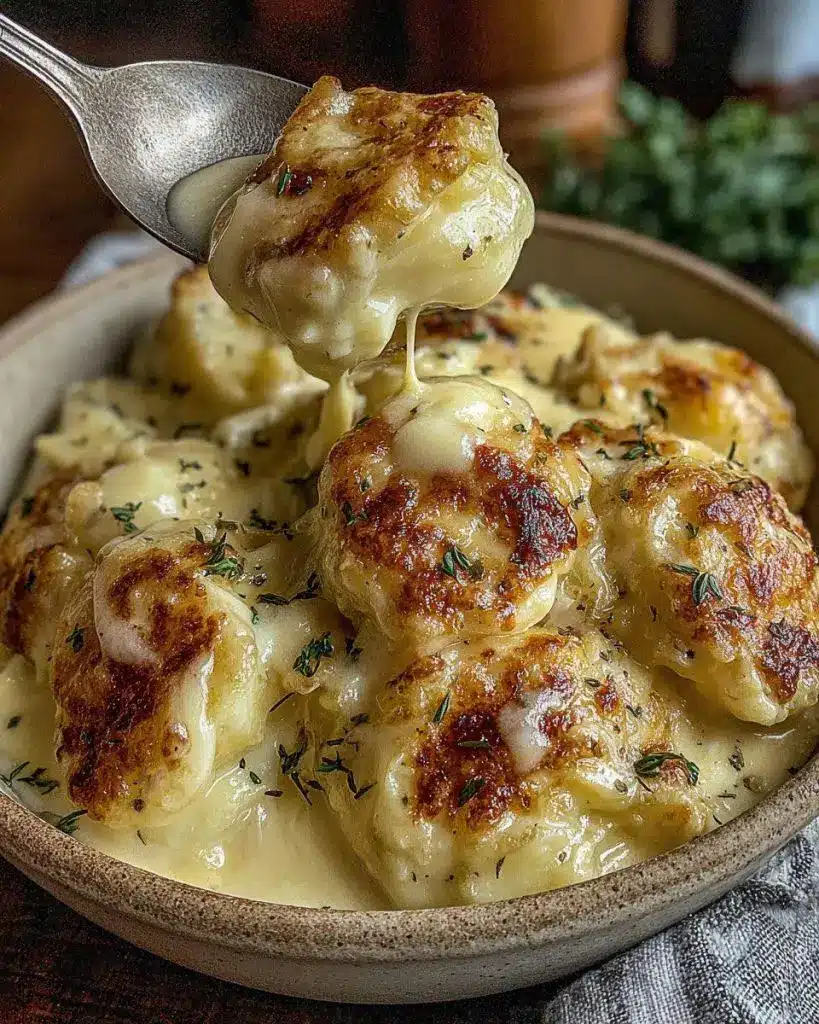
This dish is traditionally served warm, straight from the skillet. The beauty of authentic german cabbage and dumplings is its ability to transition from a humble family meal to the star of a festive spread. For a truly traditional experience, serve it in wide shallow bowls that allow the butter sauce to pool slightly at the bottom.
Garnishes
A heavy dusting of freshly cracked black pepper is essential. Beyond that, a sprinkle of fresh chives or flat-leaf parsley adds a pop of color and a mild oniony bite that complements the sweetness of the cabbage. If you like a bit of crunch, toasted breadcrumbs tossed in garlic butter can be scattered over the top just before serving.
Pairing Suggestions
To turn this into a full German feast, pair the dish with seared sausages—bratwurst or knockwurst are excellent choices. The acidity of a side of sauerkraut or a cold cucumber salad provides a refreshing counterpoint to the richness of the dumplings. For beverages, a crisp Pilsner or a dry Riesling cuts through the buttery texture beautifully.
Storage and Make-Ahead
Storing Leftovers
Leftover cabbage and dumplings store remarkably well. Place them in an airtight container and refrigerate for up to 3 to 4 days. In fact, many people find that the flavors deepen the next day as the dumplings continue to absorb the savory cabbage juices.
Reheating
Avoid the microwave if possible, as it can make the dumplings rubbery. Instead, reheat the dish in a skillet over medium-low heat with a small splash of water or an extra pat of butter. Cover the pan for a few minutes to let the steam soften the dumplings, then remove the lid to let the edges crisp up again.
Making It Ahead
You can prepare the caramelized cabbage up to two days in advance. When you are ready to serve, simply boil the fresh dumplings and toss them into the reheated cabbage. This makes it an ideal comfort food side dish for busy weeknights or dinner parties where you want to minimize active cooking time.
Final Thoughts
Mastering authentic german cabbage and dumplings is a rewarding journey into the heart of European comfort cooking. It is a recipe that teaches patience and the importance of sensory cues—watching for that perfect shade of brown and smelling the sweetness of the onions as they cook down. By focusing on these small details, you transform basic ingredients into a meal that is far greater than the sum of its parts. Whether you serve it as a side or a main, this dish is guaranteed to bring a sense of warmth and tradition to your table.
Frequently Asked Questions
Can I use pre-shredded cabbage mix for this recipe?
While you can use bagged coleslaw mix in a pinch, it is usually sliced too thin for this recipe. Authentic german cabbage and dumplings benefit from slightly thicker, hand-cut ribbons that maintain some texture after the long caramelization process. If you do use pre-shredded, reduce the cooking time slightly to prevent it from becoming mushy.
What if I don’t have a spätzle maker?
You don’t need specialized equipment to make homemade dumplings. The “drop” method is perfectly traditional. Simply use a teaspoon to scoop small portions of dough and another spoon to slide them into the boiling water. Alternatively, you can spread the dough on a cutting board and flick small slivers into the water with a knife, a technique known as “Spatzen.”
Is this dish supposed to be sweet or savory?
It should be primarily savory, but it possesses a natural sweetness derived from the slow-cooked onions and cabbage. There is no added sugar in traditional german recipes of this type; the “sweetness” is purely a result of the caramelization process. The addition of salt and plenty of black pepper balances this out perfectly.
Can I freeze cabbage and dumplings?
Freezing is not generally recommended for this dish. Dumplings tend to change texture when frozen and thawed, often becoming soggy or crumbly. Additionally, the cabbage can release excess water upon thawing, which ruins the buttery emulsion of the sauce. For the best experience, enjoy this dish fresh or from the refrigerator within a few days.
What is the best type of onion to use?
Yellow onions are the standard choice for authentic german cabbage and dumplings because they have a high sugar content and hold their shape well during long cooking. Sweet onions like Vidalia or Walla Walla are also excellent and will result in a slightly sweeter final dish. Avoid red onions, as they can turn a muddy color when sautéed for long periods.
German Cabbage and Dumplings

A comforting and savory traditional German staple featuring tender, buttery cabbage and onions tossed with hearty egg noodles or homemade dumplings.
- 1 medium head green cabbage, shredded
- 1 large yellow onion, thinly sliced
- 1/2 cup unsalted butter
- 16 oz wide egg noodles or Spätzle
- 1 tsp salt
- 1/2 tsp black pepper
- 1/2 tsp caraway seeds
- Fresh parsley for garnish
- 1Cook egg noodles in a large pot of salted boiling water according to package instructions until al dente. Drain and set aside.
- 2In a large skillet or Dutch oven, melt the butter over medium heat.
- 3Add the sliced onions and sauté for 5-8 minutes until soft and golden.
- 4Stir in the shredded cabbage, salt, pepper, and caraway seeds.
- 5Reduce heat to medium-low and cook, stirring occasionally, for 15-20 minutes until the cabbage is tender and lightly caramelized.
- 6Add the cooked noodles to the cabbage mixture and toss well to coat in butter.
- 7Sauté for another 3-5 minutes to allow the flavors to meld. Garnish with fresh parsley before serving.
Keywords: German, cabbage, dumplings, Haluski, dinner, budget-friendly, comfort food


