
Amish Winter Bliss

There is a specific kind of stillness that settles over the rolling hills of Ohio and Pennsylvania once the first frost takes hold. When you are looking for an amish country winter travel guide, the journey invariably leads to a warm kitchen filled with the scent of simmering beef and savory herbs. Amish Beef and Noodles is more than just a meal; it is the culinary heart of the season. This dish features tender, slow-cooked chunks of beef enveloped in a rich, velvety gravy and tossed with thick, yolk-heavy egg noodles. It is designed to sustain you through the coldest months, offering a level of hearty winter comfort food that few other recipes can match.
Bringing the essence of traditional Amish cooking into your own home is surprisingly straightforward. While the flavors are deep and complex, the technique relies on patience rather than complicated gadgetry. This recipe focuses on long, slow simmering to ensure the beef reaches a melt-in-your-mouth consistency, while the addition of authentic egg noodles provides that signature chew that defines the experience. Whether you are reliving a favorite trip or simply craving a soul-warming dinner, this guide will help you master this timeless classic with ease.
Why This Recipe Is a Keeper
- Unmatched Texture: The combination of tender beef and thick, dense egg noodles creates a satisfying “stick-to-your-ribs” feel that defines high-quality winter warming recipes.
- Simple Ingredients: This dish relies on pantry staples like flour, beef stock, and onions, proving that you do not need exotic items to create a gourmet-level meal.
- Perfect for Meal Prep: Like many stews, the flavors in this beef and noodle dish actually improve the next day, making it an ideal candidate for planned leftovers.
- Crowd-Pleasing Appeal: From picky children to adults seeking nostalgic comfort, the mild yet savory flavor profile of this Amish comfort food makes it a winner for the whole family.
Ingredients You’ll Need
To recreate the flavors found in a professional amish country winter travel guide experience, you must focus on the quality of your base ingredients. Each element plays a structural role in building the rich, gravy-like sauce that ties the beef and noodles together.
- Chuck Roast: This cut is ideal for slow cooking because its marbling breaks down into gelatin, resulting in incredibly tender meat and a rich, silkier sauce.
- Thick-Cut Egg Noodles: For an authentic result, look for “homestyle” or “frozen” egg noodles, which have a much higher egg content and a firmer bite than standard dried pasta.
- Beef Broth: Use a high-quality, low-sodium broth to control the saltiness while providing a deep, savory foundation for the gravy.
- Yellow Onions and Garlic: These aromatics provide the essential flavor base, softening into the sauce to add a subtle sweetness and depth.
- Worcestershire Sauce: A small amount adds acidity and umami, brightening the heavy flavors of the beef and starch.
- Bay Leaves and Thyme: These earthy herbs provide a subtle floral note that cuts through the richness of the beef fat.
- Cornstarch Slurry: A simple mix of cornstarch and water ensures the broth reaches the perfect “coating” consistency without becoming gummy.
Simple Swaps and Variations
Protein Alternatives: While beef is traditional, you can easily adapt this method for a “Chicken and Noodles” variation. Use bone-in chicken thighs for the best flavor, simmering them until the meat falls off the bone before adding the noodles.
Vegetable Additions: To make this a more complete one-pot meal, many families add sliced carrots or frozen peas during the last fifteen minutes of cooking. This adds a pop of color and a natural sweetness to the savory base.
Noodle Substitutions: If you cannot find homestyle egg noodles, you can use wide pappardelle or even make your own simple flour and egg dough. The goal is a noodle that can withstand a few minutes of simmering without falling apart.
Slow Cooker Method: To make this even easier, you can brown the meat and then transfer everything except the noodles to a slow cooker. Cook on low for 8 hours, adding the noodles during the final 30-45 minutes of the cycle.
How to Make Amish Beef and Noodles
Step 1: Sear the Beef for Deep Flavor
Start by cutting your beef into uniform cubes and seasoning them generously. In a heavy-bottomed pot or Dutch oven, sear the meat in small batches over medium-high heat. You are looking for a deep, dark brown crust on all sides. This process, known as the Maillard reaction, is vital for creating a complex flavor profile in the finished gravy. Do not crowd the pan, or the meat will steam rather than sear.
Step 2: Sauté the Aromatics and Deglaze
Once the beef is removed, add your chopped onions to the remaining fat in the pot. Sauté them until they are translucent and just beginning to caramelize. Add the garlic and cook for only a minute more to avoid burning. Pour in a splash of beef broth to deglaze the pan, using a wooden spoon to scrape up all the browned bits (the fond) from the bottom. These bits are concentrated flavor gold for your traditional Amish cooking project.
Step 3: The Long, Slow Simmer
Return the beef to the pot and pour in the remaining broth along with the Worcestershire sauce and herbs. Bring the liquid to a gentle boil, then immediately reduce the heat to low. Cover the pot and let it simmer undisturbed for at least two hours. You will know it is ready when the beef can be easily shredded with a fork. This patience is what transforms a tough cut of meat into hearty winter comfort food.
Step 4: Cook the Noodles in the Beef Base
Once the beef is tender, remove the bay leaves and bring the liquid back to a low boil. Drop in your homestyle egg noodles. Because these noodles are thick, they will absorb a significant amount of the flavorful broth as they cook. Follow the package instructions for timing, usually around 12 to 15 minutes, until they are tender but still have a firm core. If the liquid reduces too much, you can add an extra cup of broth or water.
Step 5: Thicken and Final Seasoning
To achieve that signature glossy, thick sauce, whisk together your cornstarch and a little cold water. Stir this slurry into the bubbling pot and watch as the sauce transforms into a rich gravy that clings to every noodle and piece of beef. Taste the dish and adjust the salt and pepper as needed. A final sprinkle of fresh parsley adds a touch of brightness to the heavy, savory flavors before serving.
Pro Tips for the Best Results
Tip: Always sear the meat in batches. If you put too much beef in the pot at once, the temperature drops, and the meat releases moisture, causing it to boil rather than brown, which results in less flavor.
Tip: Use “Better Than Bouillon” or a similar concentrated base if you want an even deeper beef flavor. This provides a more robust profile than standard boxed broths.
Tip: If using frozen noodles, do not thaw them beforehand. Drop them directly into the boiling broth to ensure they maintain their structural integrity and don’t become mushy.
Tip: Allow the finished dish to rest for 5-10 minutes after turning off the heat. This allows the sauce to thicken further and the noodles to fully set their texture.
How to Serve Amish Beef and Noodles
In many homes found in an amish country winter travel guide, this dish is traditionally served over a massive mound of buttery mashed potatoes. This “starch-on-starch” presentation is the ultimate comfort meal, designed to provide energy and warmth. If you prefer something slightly lighter, serving it in a wide bowl like a thick stew is equally delicious.
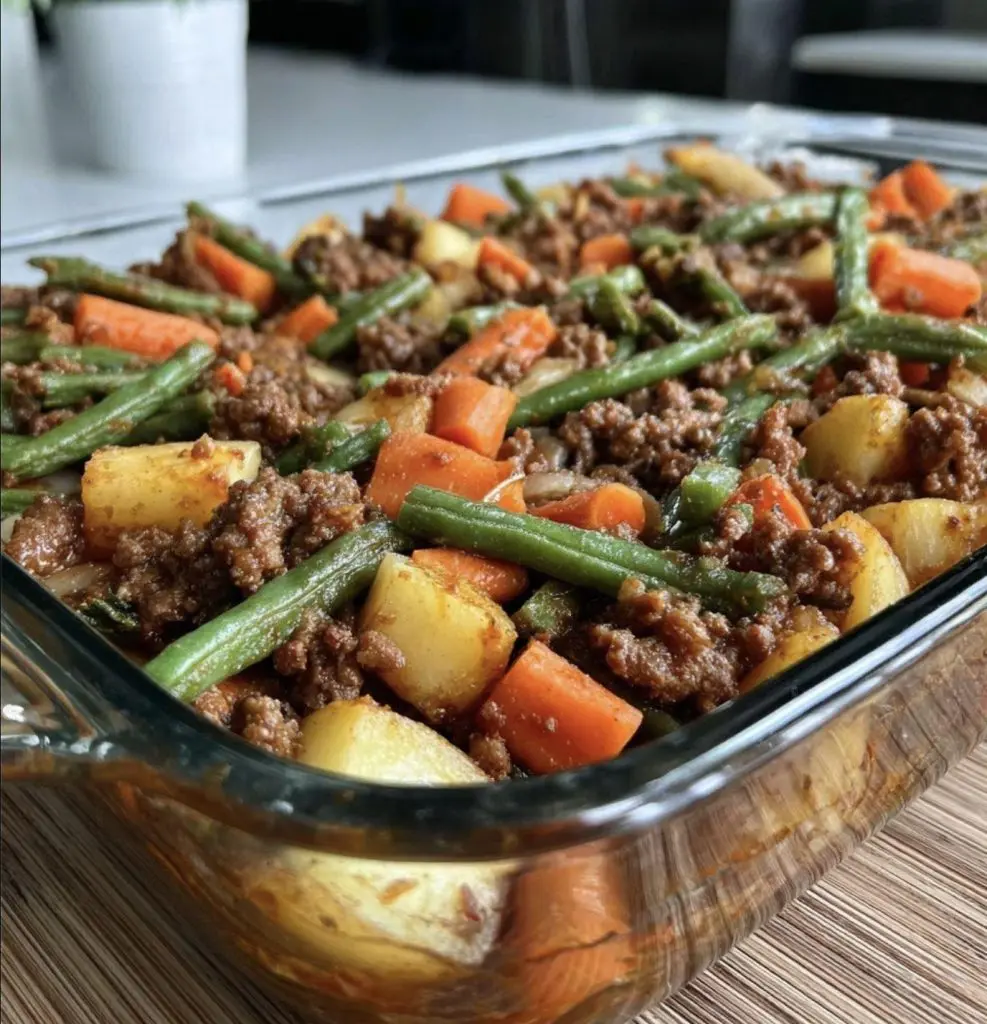
For sides, a crisp green salad with a vinegar-based dressing provides a necessary acidic contrast to the richness of the beef. Alternatively, honey-glazed carrots or steamed green beans offer a touch of sweetness and color. A thick slice of crusty sourdough or a warm buttermilk biscuit is also perfect for mopping up any extra gravy left on the plate.
Storage and Make-Ahead
Storing Leftovers
Amish beef and noodles store exceptionally well in the refrigerator for up to four days. Place them in an airtight container once they have cooled to room temperature. Note that the noodles will continue to absorb sauce as they sit, so you may need to add a splash of broth when reheating to restore the original consistency.
Reheating
The best way to reheat this dish is on the stovetop over medium-low heat. Add a tablespoon or two of water or beef broth to help loosen the sauce. Avoid high heat, which can cause the noodles to break apart or the beef to become rubbery. If using a microwave, heat in 45-second intervals, stirring in between.
Making It Ahead
You can prepare the beef and gravy base up to two days in advance. When you are ready to serve, simply bring the base to a boil on the stove and drop in the fresh noodles. This ensures the noodles are perfectly cooked and haven’t spent too much time soaking in the liquid.
Final Thoughts
Capturing the magic of a winter journey through the countryside doesn’t always require a road trip. By mastering this traditional Amish cooking staple, you can bring that same sense of peace and satisfaction to your dinner table. This beef and noodle recipe is a testament to the power of simple ingredients and slow techniques. It is the kind of meal that encourages everyone to slow down, enjoy the warmth of the kitchen, and savor every bite of hearty winter comfort food. Once you taste the difference that homestyle noodles and slow-simmered beef make, it will surely become a recurring highlight in your own winter rotation.
Frequently Asked Questions
Can I make this recipe gluten-free?
Yes, though it requires two specific swaps. Use a certified gluten-free beef broth and replace the egg noodles with your favorite gluten-free sturdy pasta or wide rice noodles. For the thickening agent, ensure you are using cornstarch or a gluten-free all-purpose flour blend. Be aware that gluten-free noodles often cook faster and can be more fragile, so add them carefully during the final stage.
What is the best cut of beef to use?
While chuck roast is the gold standard for its fat content and connective tissue, you can also use bottom round or rump roast. Avoid using “stew meat” packs if possible, as these are often a mix of different cuts that cook at different rates. Buying a whole roast and cubing it yourself ensures a consistent texture and better flavor throughout the dish.
Why are my noodles mushy?
Noodles usually become mushy if they are overcooked or if they are left to sit in the hot liquid for too long after cooking. To prevent this, cook the noodles until they are just “al dente” before adding your thickener. If you plan on having leftovers, you might even consider cooking the noodles separately and combining them with the beef and gravy right before serving.
Can I freeze Amish beef and noodles?
You can freeze the beef and gravy base very successfully for up to three months. However, freezing the cooked noodles is not recommended, as they often become grainy or mushy upon thawing. For the best results, freeze the meat and sauce separately, then thaw and bring to a boil before adding fresh noodles when you are ready to eat.
Do I have to sear the beef first?
Technically no, but you will lose a significant amount of flavor. Searing creates a savory crust that dissolves into the broth, creating a dark, rich gravy. Without searing, the meat can look grey and the sauce will taste flat. If you are short on time, even searing half of the meat will provide a better flavor than skipping the step entirely.
Amish Winter Bliss

A comforting and hearty vegetarian casserole that brings warmth to any winter evening. This traditional Amish-inspired dish combines tender vegetables with a velvety homemade cheese sauce and a golden-brown crumb topping.
- 12 oz wide egg noodles
- 2 cups broccoli florets
- 1 cup sliced carrots
- 1 cup cauliflower florets
- 1/4 cup butter
- 1/4 cup all-purpose flour
- 2 cups whole milk
- 2 cups shredded sharp cheddar cheese
- 1/2 tsp salt
- 1/4 tsp black pepper
- 1/2 cup buttery cracker crumbs
- 1Preheat oven to 350°F (175°C) and grease a 9x13 inch baking dish.
- 2Cook egg noodles according to package directions; drain and set aside.
- 3Steam or boil the broccoli, carrots, and cauliflower until tender-crisp.
- 4In a medium saucepan, melt butter over medium heat. Whisk in flour until smooth.
- 5Gradually pour in milk, whisking constantly until the sauce thickens.
- 6Remove from heat and stir in cheddar cheese, salt, and pepper until melted.
- 7Combine noodles and vegetables in the prepared baking dish. Pour cheese sauce over the top and stir gently to coat.
- 8Sprinkle with cracker crumbs and bake for 25-30 minutes until bubbly and golden.
Keywords: Amish recipe, winter comfort food, vegetable casserole, vegetarian dinner, cheesy noodles


