
Traditional Soda Bread

There is something undeniably comforting about the aroma of a fresh loaf of bread pulling its warmth from the oven, but few versions offer the rustic charm and simplicity of an authentic irish soda bread recipe. Unlike standard yeast breads that require hours of proofing and meticulous kneading, this traditional loaf relies on a quick chemical reaction to achieve its signature lift. The result is a bread with a rugged, craggy crust and a soft, tender interior that carries a slight tang from the buttermilk. It is the ultimate “emergency” bread, perfect for a last-minute dinner side or a cozy weekend breakfast, bringing a piece of Irish heritage straight to your kitchen table with minimal effort.
Mastering this traditional irish bread is less about complex culinary skills and more about understanding the delicate balance between the ingredients and the handling of the dough. Because there is no yeast involved, you aren’t fighting for gluten development; instead, you are working to keep the dough light and airy. This guide will walk you through the nuances of the “big four” ingredients and the essential techniques that ensure your loaf rises beautifully every time. Whether you are celebrating St. Patrick’s Day or simply want a reliable no-yeast quick bread to serve with a hot bowl of stew, this method delivers a foolproof result that honors the humble origins of the dish.
Why You’ll Love This Recipe
- Minimal Prep Time: Since there is no rising time required, you can have the dough ready for the oven in about ten minutes, making it much faster than any yeast-based alternative.
- Pantry Staples: You likely already have the four core ingredients in your kitchen, making this an accessible recipe for whenever a bread craving strikes without a trip to the store.
- Unique Texture: The combination of a hard, crunchy exterior and a moist, cake-like crumb provides a sensory experience that standard sandwich bread simply cannot match.
- Versatile Pairing: It serves as the perfect vessel for salted Irish butter and jam, but it is equally adept at soaking up the juices from a rich beef stew or a creamy potato leek soup.
Ingredients You’ll Need
The beauty of a buttermilk soda bread lies in its brevity. While many modern versions add sugar, eggs, or butter, the most authentic version focuses on four specific pillars that work in harmony to create the perfect loaf. Understanding what each one does will help you troubleshoot and perfect your technique.
- All-Purpose Flour: This provides the structural foundation of the bread. In Ireland, a softer flour is often used, so avoid high-protein bread flours which can make this specific loaf too tough.
- Baking Soda: The “soda” in the name is the sole leavening agent. It reacts instantly with the acid in the buttermilk to create carbon dioxide bubbles, which lift the heavy dough.
- Buttermilk: This is the most critical liquid component. It provides the acidity needed to activate the baking soda and contributes to the tender crumb and distinct, slightly sour flavor profile.
- Salt: Essential for flavor balance, salt tightens the gluten slightly and ensures the bread doesn’t taste flat or overly floury once baked.
- Optional Add-ins: While not strictly traditional for a plain loaf, many families enjoy adding a handful of currants or a teaspoon of caraway seeds for a “Spotted Dog” variation.
Easy Ways to Change It Up
Once you have mastered the basic authentic irish soda bread recipe, you can begin to experiment with variations that suit your personal taste or the meal you are serving. While the classic version is savory-leaning, it can easily be steered in different directions.
- Whole Wheat (Brown Bread): Replace half of the all-purpose flour with whole wheat flour or Irish coarse meal. This creates a denser, nuttier loaf that is highly traditional in many parts of Ireland.
- Cheesy Herb Version: Fold in a half-cup of sharp cheddar cheese and a tablespoon of dried rosemary or thyme. This variation is particularly delicious when served alongside a bowl of tomato soup.
- Sweet Fruit Loaf: Add two tablespoons of sugar and a half-cup of raisins or dried cranberries. This leans closer to a tea cake and is wonderful when toasted and slathered with honey or marmalade.
- Dairy-Free Adaptation: If you don’t have buttermilk, you can create a substitute by adding a tablespoon of lemon juice or white vinegar to a cup of soy or almond milk and letting it sit for five minutes.
How to Make This Authentic Irish Soda Bread Recipe
The secret to a successful soda bread is a light touch. Unlike sourdough or artisan loaves, the more you work this dough, the tougher it will become. Follow these steps to ensure a tender, well-risen result.
Step 1: Whisk the Dry Ingredients for Even Distribution
Begin by combining your flour, baking soda, and salt in a large mixing bowl. It is vital to whisk these thoroughly or even sift them together. Because the baking soda is your only source of lift, any clumps left in the flour will result in “green spots” in the finished bread and an uneven rise. Ensuring the soda is perfectly distributed means every inch of the dough will expand consistently once it hits the heat of the oven.
Step 2: Incorporate the Buttermilk to Create the Shaggy Dough
Make a well in the center of your dry ingredients and pour in most of the buttermilk. Use a wooden spoon or even your hand (mimicking a claw shape) to gently stir from the center outward. You want the dough to come together into a “shaggy” mass. If it looks too dry and dusty, add the remaining buttermilk a tablespoon at a time. The dough should be soft and slightly sticky, not dry and stiff, as moisture is key to a tender interior.
Step 3: Shape the Loaf with a Gentle Touch
Turn the dough out onto a lightly floured surface. Instead of kneading, you want to gently “tuck” the dough into a round disc about 1.5 to 2 inches thick. Handle the dough as little as possible—no more than four or five gentle turns. Overworking the dough develops too much gluten, which will turn your bread into a brick. You want to see a few cracks and a rustic texture on the surface; this is a sign of an easy homemade bread that hasn’t been fussed over too much.
Step 4: Score the Signature Cross for a Proper Rise
Transfer the round to a baking sheet or a cast-iron skillet. Using a very sharp knife dipped in flour, cut a deep cross into the top of the loaf, extending nearly to the edges and about half an inch deep. Tradition says this “lets the fairies out,” but the culinary reason is more practical: it allows the thick dough to expand outward and ensures the center of the loaf cooks through without remaining gummy.
Step 5: Bake Until Golden and Hollow
Place the loaf in a preheated oven. You are looking for a deep golden-brown crust. One of the best sensory cues for doneness is the “thump” test. Carefully flip the loaf over and tap the bottom with your knuckles; it should sound hollow, like a drum. If it sounds dull or heavy, it needs another five minutes. Once done, wrap the hot bread in a clean tea towel to cool; this traps a bit of steam and keeps the crust from becoming uncomfortably hard.
Pro Tips for Success
- Tip: Always use fresh baking soda. If your box has been open for more than six months, it may have lost its potency, leading to a flat, dense loaf.
- Tip: Don’t over-measure the flour. Spoon it into your measuring cup and level it off rather than scooping directly from the bag, which packs the flour and leads to dry bread.
- Tip: Use cold buttermilk straight from the fridge. The temperature difference between the cold dough and the hot oven helps create a better “oven spring” or rise.
- Tip: If you want an extra-crunchy crust, bake the bread in a preheated cast-iron skillet. The heavy metal provides intense bottom heat that mimics a traditional stone hearth.
- Tip: Let the bread cool for at least 30 minutes before slicing. Cutting into it too early allows steam to escape, which can make the remaining loaf go stale faster.
Troubleshooting Common Problems
Why Is My Bread Green or Bitter?
If you notice small green or yellow tinges in the crumb, or if the bread has a metallic aftertaste, it’s usually due to an uneven distribution of baking soda. This happens when the soda isn’t whisked well enough into the flour. To fix this next time, sift the dry ingredients together twice to ensure the soda is completely integrated before adding any liquid.
Why Is the Center of My Loaf Gummy?
A gummy center is usually the result of one of two things: the oven temperature was too high (browning the outside before the inside could cook) or the cross wasn’t cut deep enough. Ensure you are cutting at least a half-inch deep. If the bread is browning too quickly, you can loosely tent it with aluminum foil for the last ten minutes of baking.
Why Didn’t My Bread Rise?
Soda bread relies on an immediate chemical reaction. If you let the dough sit on the counter for too long after mixing the buttermilk in, the “bubbles” will dissipate before they can be set by the heat of the oven. Always have your oven fully preheated and your baking pan ready before you mix the wet and dry ingredients together.
How to Serve This Bread
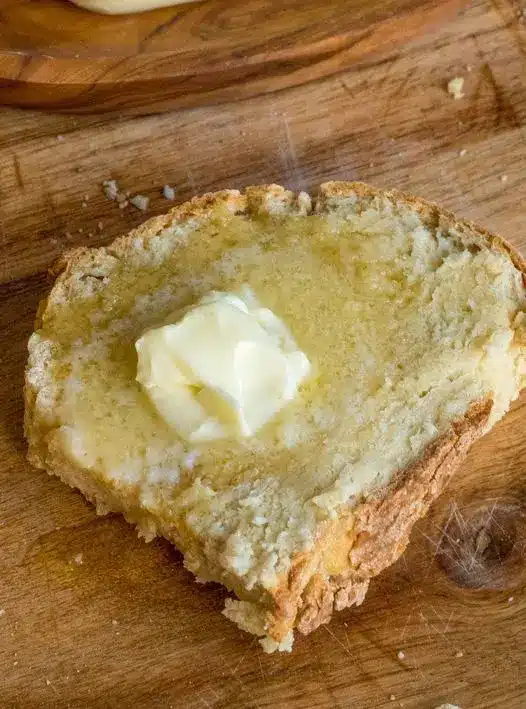
The experience of eating an authentic irish soda bread recipe is best when the loaf is still slightly warm. Because it lacks the preservatives and fats of commercial breads, it is truly at its peak within the first few hours of baking.
Classic Pairings
The traditional way to enjoy this bread is simply with a generous smear of high-quality salted butter. In Ireland, it is often served alongside a “full Irish” breakfast or as a side to a hearty bowl of vegetable soup. The sturdy structure of the bread makes it ideal for dipping into stews, as it won’t fall apart as easily as a standard white roll.
Creative Serving Ideas
If you have leftover bread the next day, it makes exceptional toast. Because of its dense crumb, it holds up well to heavy toppings like smoked salmon and cream cheese or even smashed avocado. You can also use slightly stale slices to make a unique bread pudding, as the tang of the buttermilk adds a sophisticated layer of flavor to the custard.
Storage and Make-Ahead
Proper storage is key to extending the life of your easy homemade bread. Quick breads tend to dry out faster than yeast breads, so you’ll want to take a few specific steps to keep it fresh.
Storing Leftovers
Once completely cool, wrap the bread tightly in plastic wrap or store it in an airtight container at room temperature. It will stay fresh for about 2 to 3 days. If the crust becomes too soft, you can refresh it by placing the loaf in a 350°F oven for five minutes to crisp it back up.
Freezing
This bread freezes remarkably well. Wrap the whole loaf or individual slices in a double layer of plastic wrap and then a layer of foil. It will keep in the freezer for up to three months. Thaw at room temperature and toast individual slices for the best texture.
Final Thoughts
The beauty of the authentic irish soda bread recipe is its honesty. It doesn’t pretend to be a complex, refined loaf; instead, it celebrates the power of basic ingredients and the joy of a quick, hot meal. Whether you are a novice baker intimidated by yeast or a seasoned pro looking for a reliable no-yeast quick bread to add to your repertoire, this recipe offers a satisfying and delicious result. It is a reminder that some of the best flavors in the culinary world come from the simplest methods, proving that a little bit of flour and buttermilk can truly transform a meal.
Frequently Asked Questions
Can I use regular milk instead of buttermilk?
No, regular milk will not work because it lacks the acidity required to react with the baking soda. Without that acid, the bread will not rise and will have a very unpleasant, soapy taste. If you don’t have buttermilk, you must “sour” regular milk with lemon juice or vinegar to create the necessary chemical environment for the bread to bake properly.
Can I make this recipe gluten-free?
Yes, you can substitute a high-quality 1-to-1 gluten-free flour blend. However, since gluten-free flours absorb moisture differently, you may need to add an extra tablespoon or two of buttermilk to prevent the dough from becoming too crumbly. Keep in mind that the texture will be slightly different, but the flavor will remain excellent.
Why did my soda bread turn out so dense?
The most common cause of a dense loaf is overmixing the dough. When you stir the buttermilk into the flour, you should stop as soon as a shaggy dough forms. If you knead it like a traditional bread, you will squeeze out the air bubbles created by the baking soda and develop too much gluten, resulting in a heavy, tough texture.
Does the cross on top really matter?
Yes, it is functionally essential. Beyond the cultural traditions, the deep cross allows the heat to penetrate the thickest part of the loaf. Without it, the outside would burn while the center remained raw and doughy. It also provides “expansion joints” so the bread can rise upward without cracking uncontrollably at the base.
Can I bake this in a loaf pan instead of a round?
While you can bake it in a standard loaf pan, it may take slightly longer to cook through in the center. The traditional round shape is preferred because it exposes more of the surface area to the heat, creating that iconic crust-to-crumb ratio. If using a loaf pan, ensure you still score the top deeply down the length of the dough.
Traditional Soda Bread

A classic, crusty loaf with a tender interior, this traditional Irish-style soda bread is made without yeast for a quick and easy side.
- 4 cups all-purpose flour
- 4 tablespoons white sugar
- 1 teaspoon baking soda
- 1 tablespoon baking powder
- 1/2 teaspoon salt
- 1/2 cup butter, softened
- 1 cup buttermilk
- 1 egg
- 1Preheat oven to 375°F (190°C) and lightly grease a baking sheet.
- 2In a large bowl, whisk together the flour, sugar, baking soda, baking powder, and salt.
- 3Using a pastry cutter or fork, work the softened butter into the dry ingredients until the mixture resembles coarse crumbs.
- 4Make a well in the center and pour in the buttermilk and egg; mix until the dough comes together.
- 5Turn the dough onto a lightly floured surface and knead gently for a few minutes.
- 6Shape into a round loaf and place on the prepared baking sheet. Cut a large, shallow "X" into the top.
- 7Bake for 45 to 50 minutes or until a toothpick inserted into the center comes out clean.
Keywords: soda bread, irish bread, quick bread, baking, no yeast


