
Creamy Brie Pasta

When it comes to pure indulgence on a weeknight, few things rival the silkiness of a well-executed creamy brie cheese pasta recipe. Unlike heavy cream-based sauces that can sometimes feel overwhelming, a brie-based sauce offers a sophisticated, earthy complexity and a naturally buttery texture that coats every strand of pasta perfectly. This dish strikes a rare balance between being an easy weeknight dinner and a sophisticated meal fit for a weekend dinner party, relying on the residual heat of the pasta to transform a wheel of cheese into a luxurious, velvet-like coating.
The beauty of this recipe lies in its minimalist approach, allowing the high-quality fats and delicate funk of the brie to shine through. By using a few strategic aromatics like fresh garlic and woody herbs, you can elevate the mild profiles of the cheese without masking its unique character. Whether you are looking for a quick hit of comfort food favorites or a meatless main that feels genuinely substantial, this pasta delivers a restaurant-quality experience with surprisingly little active effort.
Why You’ll Love This Recipe
- Unmatched Texture: The way the brie melts into the starchy pasta water creates a decadent cheese pasta sauce that is significantly lighter and glossier than traditional heavy cream sauces.
- Quick Preparation: Since the sauce largely “builds itself” while the pasta cooks, you can have this entire meal on the table in under twenty minutes.
- Sophisticated Flavor: Brie brings a nutty, buttery depth that sets this apart from standard cheddar or parmesan-based dishes, making it feel like a special occasion meal.
- Highly Adaptable: This recipe serves as a perfect canvas for seasonal additions, easily accommodating everything from spring peas to roasted autumnal mushrooms.
Ingredients You’ll Need
To achieve the best results with this creamy brie cheese pasta recipe, selecting the right components is essential. Because the ingredient list is short, the quality of each item directly impacts the final flavor profile and the silkiness of the melted brie sauce.
- Brie Cheese: Look for a double-cream or triple-cream brie for the smoothest melt. Removing the rind is optional but recommended if you want a perfectly uniform, professional finish to your sauce.
- Short Pasta: Shapes like rigatoni, fusilli, or penne are ideal here because their ridges and hollow centers are designed to “catch” the thick, clingy sauce.
- Fresh Garlic: Sautéing fresh minced garlic in butter provides a sharp, aromatic backbone that cuts through the richness of the cheese.
- Starchy Pasta Water: This is arguably the most important “ingredient.” The starch from the cooking water acts as an emulsifier, binding the fats of the cheese to the noodles.
- Fresh Thyme or Parsley: Woody herbs like thyme pair beautifully with the earthiness of brie, while parsley adds a bright, fresh finish to the plate.
- Unsalted Butter: Using butter to sauté your aromatics adds another layer of silkiness and helps the cheese integrate more smoothly into the liquid.
Variations and Smart Swaps
- Add Protein: To make the meal more heartier, top the pasta with sliced grilled chicken breast, sautéed shrimp, or even crispy pancetta for a salty contrast.
- Vegetable Boost: Fold in fresh baby spinach at the very end—the heat from the pasta will wilt it perfectly—or add roasted cherry tomatoes for a burst of acidity.
- Nutty Crunch: Sprinkle toasted walnuts or pine nuts over the finished dish to provide a structural contrast to the soft, creamy texture of the noodles.
- Flavor Infusions: For a touch of sweetness that complements the brie, stir in a teaspoon of honey or a few drops of white truffle oil just before serving.
How to Make Creamy Brie Cheese Pasta
Step 1: Boil the Pasta to Al Dente
Bring a large pot of heavily salted water to a boil. Adding enough salt is crucial here, as it is your only chance to season the pasta itself. Cook your chosen pasta shape until it is just “al dente”—meaning it still has a firm bite in the center. Before draining, carefully scoop out at least a cup of the cloudy pasta water. This liquid contains the starch needed to turn your melted brie sauce into a cohesive coating rather than a greasy mess.
Step 2: Sauté the Aromatics
While the pasta cooks, melt a tablespoon of butter in a large skillet over medium-low heat. Add your minced garlic and cook for about 60 to 90 seconds. You want the garlic to become fragrant and translucent, but be careful not to let it brown. If the garlic burns, it will introduce a bitter note that clashes with the delicate flavor of the brie cheese. If using fresh thyme, add it now to let the oils infuse into the butter.
Step 3: Prepare the Brie Base
If you haven’t already, remove the rind from the brie and cut the cold cheese into small cubes. Removing the rind ensures the sauce is perfectly smooth, though some people enjoy the rustic texture the rind provides. Place the cubes into the skillet with the garlic. Add a splash of the reserved pasta water and stir gently. The goal is to start the melting process without overheating the cheese, which can cause it to separate.
Step 4: Emulsify and Toss
Add the hot, drained pasta directly into the skillet with the brie. Pour in another half-cup of the reserved pasta water and toss vigorously with tongs or a large spoon. As you stir, the heat from the pasta and the starch in the water will emulsify the cheese into a creamy brie cheese pasta recipe masterpiece. Continue tossing until every noodle is coated in a glossy, thick sauce. If it looks too dry, add a bit more pasta water one tablespoon at a time.
Pro Tips for Success
- Don’t Skip the Pasta Water: This is the secret to any easy weeknight dinner involving cheese. The starch acts as a bridge between the water and the fat in the cheese, preventing the sauce from breaking.
- Temper the Cheese: Let your brie sit on the counter for about 15–20 minutes before cooking. While you want it cold enough to easily remove the rind, bringing it slightly toward room temperature helps it melt more evenly.
- Use Low Heat: Brie is delicate. If you subject it to high heat, the proteins can tighten and the fats can leak, resulting in a grainy texture. Keep the skillet heat low and let the pasta’s residual heat do the heavy lifting.
- Season at the End: Brie can be naturally salty, so avoid adding extra salt to the sauce until the very end after you have tasted the combined dish.
How to Serve Creamy Brie Cheese Pasta
This creamy brie cheese pasta recipe is best served immediately while the sauce is at its peak silkiness. As the cheese cools, the sauce will naturally thicken and eventually set, so timing is everything. Serve the pasta in warmed bowls to help maintain the temperature of the melted brie sauce as long as possible.
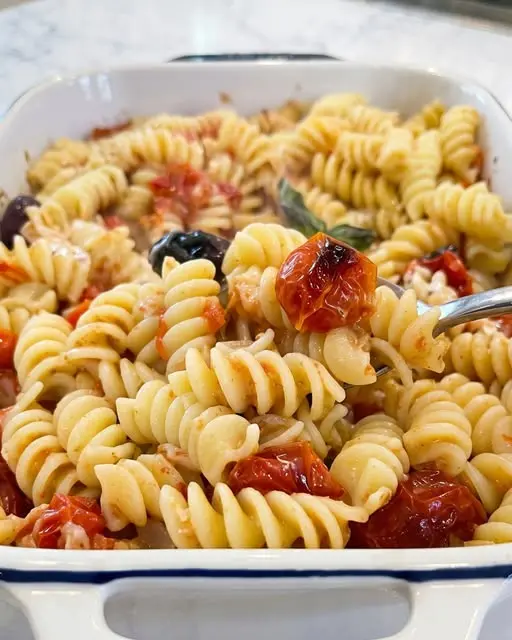
To balance the richness of the dish, pair it with a crisp, acidic side. A simple arugula salad with a lemon vinaigrette works wonders to cleanse the palate between bites. For a more substantial spread, serve it alongside crusty sourdough bread or focaccia, which can be used to swipe up any extra sauce left on the plate. If you enjoy wine, a buttery Chardonnay or a crisp Sauvignon Blanc complements the flavor profile of the brie beautifully.
Storage and Make-Ahead
Storing Leftovers
Leftover brie pasta can be stored in an airtight container in the refrigerator for up to two days. However, be aware that the sauce will solidify completely once chilled. It is not recommended to freeze this dish, as the emulsion of the cheese and pasta water will break upon thawing, resulting in a gritty texture.
Reheating Tips
Reheating is the trickiest part of enjoying a creamy brie cheese pasta recipe the next day. To restore the creaminess, add a splash of milk or water to the pasta and heat it very gently in a skillet over low heat. Stir constantly until the cheese thins out into a sauce again. Avoid the microwave if possible, as it tends to overheat the cheese too quickly, causing the oils to separate from the solids.
Final Thoughts
Mastering a creamy brie cheese pasta recipe is a game-changer for anyone who values high-reward, low-effort cooking. It proves that you don’t need a long list of ingredients to create something that feels truly indulgent. By focusing on the technique of emulsification and choosing a high-quality brie, you turn a simple pantry staple like dried pasta into a decadent cheese pasta experience. This dish is a testament to the power of simple, high-quality ingredients handled with care, providing a comforting yet elegant meal that is sure to become a regular in your rotation.
Frequently Asked Questions
Do I have to remove the rind from the brie?
It is not strictly necessary, but it is highly recommended if you want a smooth, uniform sauce. The rind is edible but it does not melt; if left on, you will have small bits of white mold throughout the pasta. For the most decadent cheese pasta texture, use a sharp knife to trim the rind off while the cheese is still cold from the fridge.
What is the best pasta shape for this recipe?
Short, tubular pastas like rigatoni or penne are excellent because they hold the thick sauce inside. However, fusilli is also a great choice as the melted brie sauce clings to the spirals. Long noodles like fettuccine can work, but they are more prone to clumping together once the cheese begins to cool.
Can I add vegetables to this pasta?
Absolutely. Brie pairs exceptionally well with earthy vegetables. Sautéed mushrooms, roasted asparagus, or even steamed broccoli are fantastic additions. If adding vegetables, toss them in at the very end when you are combining the pasta and the cheese to ensure they stay vibrant and don’t get overcooked.
Why did my sauce turn out oily or clumpy?
This usually happens if the heat was too high or if you didn’t use enough pasta water. The starch in the water is what keeps the fat in the brie from separating. If the sauce looks oily, remove it from the heat immediately and whisk in a tablespoon of hot pasta water vigorously to try and bring the emulsion back together.
Can I make this recipe vegan?
Because the core of this recipe is the specific flavor and melting property of brie cheese, it is difficult to replicate with vegan alternatives. While there are cashew-based “brie” alternatives, they do not melt in the same way. For a vegan version, you would likely need to create a completely different style of cream sauce using soaked cashews and nutritional yeast.
Creamy Brie Pasta

This luxurious Creamy Brie Pasta combines a velvety sauce made from melted brie cheese and heavy cream with aromatic garlic and fresh parsley for an elegant, quick dinner.
- 12 oz pasta (linguine or fettuccine)
- 8 oz Brie cheese, rind removed and cubed
- 3 cloves garlic, minced
- 2 tbsp unsalted butter
- 1/2 cup heavy cream
- 1/4 cup grated Parmesan cheese
- 1/4 cup fresh parsley, chopped
- Salt and pepper to taste
- 1Cook pasta in boiling salted water until al dente. Reserve 1/2 cup of pasta water before draining.
- 2In a large skillet over medium heat, melt butter and sauté garlic for 1 minute until fragrant.
- 3Reduce heat to low, add heavy cream and Brie cubes. Whisk continuously until cheese is melted and sauce is smooth.
- 4Stir in Parmesan cheese. Add cooked pasta to the skillet and toss to coat, adding reserved pasta water if needed for consistency.
- 5Season with salt and pepper, garnish with parsley, and serve immediately.
Keywords: brie pasta, creamy pasta, vegetarian dinner, quick recipes


