
Crescent Roll Breakfast Bake

Few things are as comforting as a warm, bubbly dish coming out of the oven on a slow Saturday morning. This easy crescent roll breakfast casserole is the ultimate solution for those who want a hearty, crowd-pleasing meal without spending hours in the kitchen. Combining the buttery, flaky layers of refrigerated crescent dough with savory sausage, fluffy eggs, and melted sharp cheddar, it creates a texture profile that is both decadent and satisfying. It is the kind of dish that fills the house with a rich, savory aroma, signaling to everyone that a special meal is about to be served.
What makes this savory breakfast bake stand out is its incredible versatility and foolproof nature. Whether you are hosting a holiday morning breakfast or simply prepping for a busy week ahead, the steps are straightforward and the results are consistently delicious. By using prepared dough as a shortcut, you skip the hassle of making a crust from scratch while still achieving a golden-brown finish that looks and tastes professional. It is an approachable yet impressive recipe that transforms a few refrigerator staples into a cohesive, high-quality meal.
Why You’ll Love This Recipe
- Textural Contrast: The bottom layer of crescent dough becomes soft and pillowy, while the exposed edges bake up into crisp, buttery flakes that pair perfectly with the tender egg custard.
- Prep-Ahead Friendly: You can easily assemble the components or even the entire dish in advance, making it a stress-free option for busy mornings or entertaining guests.
- Customizable Flavor: This recipe serves as a perfect canvas for your favorite additions, allowing you to swap proteins or add vegetables based on what you have in your pantry.
- Family Approved: With its classic combination of sausage, eggs, and cheese, this easy crescent roll breakfast casserole is a guaranteed hit with both kids and adults alike.
Ingredients You’ll Need
The beauty of this savory breakfast bake lies in its simplicity. Each ingredient plays a specific role in building the flavor and structure of the dish, ensuring that every bite is well-balanced and satisfying. Selecting quality components will elevate the final result from a simple meal to a memorable brunch centerpiece.
- Crescent Roll Dough: This acts as the foundation of the casserole. The high butter content in the dough ensures a rich flavor and a flaky texture that holds up well under the weight of the eggs.
- Ground Sausage: Pork sausage is the traditional choice, providing a deep, savory base. When browned properly, it adds essential saltiness and a slightly crumbled texture that permeates the entire dish.
- Large Eggs: The eggs provide the structural “lift” and protein for the casserole. They bind the ingredients together into a soft, custardy middle layer.
- Whole Milk: Adding milk to the eggs is crucial for achieving a light, airy texture. It thins the egg mixture just enough to allow it to seep into the nooks and crannies of the meat and cheese.
- Sharp Cheddar Cheese: Cheddar provides a punchy, salty flavor that cuts through the richness of the eggs. Freshly shredded cheese is recommended for the best melting capability.
- Seasonings: Simple additions like salt, black pepper, and perhaps a pinch of garlic powder or dried herbs enhance the natural flavors of the meat and eggs without overpowering them.
Variations and Smart Swaps
- Protein Alternatives: If you aren’t a fan of pork sausage, try using browned ground turkey sausage, chopped crispy bacon, or even diced ham for a different flavor profile.
- Vegetarian Option: Skip the meat entirely and load up on sautéed bell peppers, onions, spinach, and mushrooms. Just be sure to cook the vegetables first to remove excess moisture.
- Spice it Up: For those who enjoy a bit of heat, use “hot” breakfast sausage or add a few teaspoons of diced canned jalapeños or a dash of cayenne pepper to the egg mixture.
- Cheese Varieties: While cheddar is classic, a blend of Monterey Jack for meltability or Pepper Jack for a spicy kick can completely change the character of the dish.
- Sheet Pan Style: If you are feeding a very large crowd, you can double the recipe and bake it in a larger sheet pan for thinner, more handheld-friendly squares.
How to Make This Easy Crescent Roll Breakfast Casserole
Step 1: Brown and Crumble the Sausage
Start by placing your ground sausage in a large skillet over medium-high heat. As it cooks, use a wooden spoon or spatula to break the meat into small, even crumbles. It is important to cook the sausage until it is completely browned and no pink remains. Once finished, drain the excess grease thoroughly. Removing the fat is a critical step; if left in, the grease will soak into the crescent dough during baking, resulting in a soggy bottom rather than a crisp, flaky crust.
Step 2: Prepare the Crescent Dough Base
Lightly grease your baking dish to prevent sticking. Unroll the refrigerated crescent dough and lay it into the bottom of the pan. Most rolls come in triangles, so you will need to press the perforated seams together with your fingers to create one solid, continuous sheet of dough. Ensure the dough covers the entire bottom and slightly reaches up the sides. This creates a sturdy “cradle” for the liquid egg mixture you will add later.
Step 3: Whisk the Egg Custard
In a medium mixing bowl, crack the eggs and add the milk along with your seasonings. Whisk vigorously until the yolks and whites are completely combined and the mixture looks pale yellow and slightly frothy. Incorporating air at this stage helps the easy crescent roll breakfast casserole rise slightly in the oven, giving it that desirable, fluffy mouthfeel. Ensure the salt and pepper are evenly distributed so every bite is seasoned correctly.
Step 4: Layer the Ingredients
Evenly scatter the browned sausage over the raw crescent dough. Next, sprinkle a generous layer of shredded cheese over the meat. Finally, pour the egg mixture slowly over the top. By layering the meat and cheese first, you ensure they stay distributed throughout the dish rather than sinking to the bottom. The egg liquid will naturally settle between the gaps, binding everything together into a cohesive savory breakfast bake.
Step 5: Bake Until Golden and Set
Place the casserole in a preheated oven. You are looking for two specific visual cues: the edges of the crescent rolls should be a deep golden brown, and the center of the eggs should be “set,” meaning it doesn’t jiggle when the pan is gently shaken. If the top is browning too quickly but the eggs are still liquid, you can loosely tent the dish with aluminum foil. Let the casserole rest for about five minutes after removing it from the oven; this allows the structure to firm up, making it much easier to slice into clean squares.
Pro Tips for Success
- Drain the Meat Well: As mentioned before, excess moisture or oil is the enemy of a flaky crescent crust. Pat the cooked sausage with paper towels if necessary.
- Seal the Seams: Take an extra minute to ensure the crescent dough seams are tightly pinched. If there are gaps, the egg mixture will leak underneath the dough, preventing the bottom from crisping up properly.
- Room Temperature Eggs: If you have time, let your eggs sit out for 20 minutes before whisking. They emulsify better with the milk when not ice-cold, leading to a smoother custard.
- Don’t Overbake: Eggs continue to cook for a few minutes after they are pulled from the heat. Take the casserole out as soon as the center is just barely firm to avoid a rubbery texture.
- Freshly Grated Cheese: Pre-shredded cheese is coated in potato starch to prevent clumping, which can hinder melting. Grating your own cheese from a block results in a much creamier, gooier finish.
Troubleshooting Common Problems
Why is the bottom of my casserole soggy?
This is usually caused by either not draining the sausage grease well enough or the egg mixture leaking through unsealed seams in the dough. To fix this next time, ensure the meat is dry and the dough forms a solid barrier. You can also try par-baking the dough for 5 minutes before adding the toppings, though this isn’t strictly necessary if the seams are sealed.
Why did my eggs turn out dry or rubbery?
Rubbery eggs are a classic sign of overcooking or using a heat setting that is too high. If your oven runs hot, the outer edges of the easy crescent roll breakfast casserole might overcook before the center is done. Use an oven thermometer to ensure accuracy and pull the dish out while the center has just a hint of “give.”
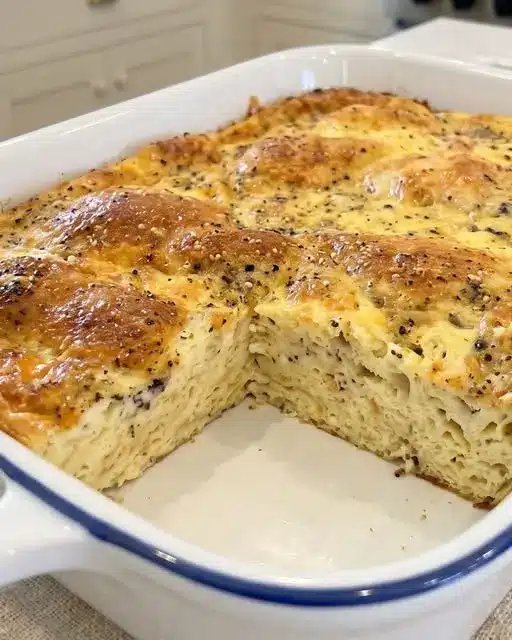
How to Serve This Recipe
This casserole is a complete meal on its own, but it truly shines when paired with bright, fresh sides. The richness of the buttery crust and savory sausage benefits from a hit of acidity or sweetness. A simple fruit salad with melons, berries, and citrus is a classic accompaniment that cleanses the palate between bites of the savory bake.
For a more indulgent make-ahead brunch, serve slices with a side of crispy hash browns or a lightly dressed arugula salad. Toppings can also elevate the presentation; consider offering bowls of sour cream, sliced green onions, fresh salsa, or avocado slices. A few dashes of your favorite hot sauce can also provide a nice vinegar-based heat that complements the sharp cheddar cheese perfectly.
Storage and Make-Ahead
Storing Leftovers
If you have leftovers, they store remarkably well. Allow the casserole to cool completely to room temperature before transferring it to an airtight container. It will stay fresh in the refrigerator for up to 3 to 4 days. To maintain the texture of the crescent crust, it is best to reheat individual portions in a toaster oven or air fryer rather than the microwave, which can make the dough soft.
Making It Ahead
To save time on a holiday morning breakfast, you can brown the sausage and whisk the egg mixture the night before, storing them in separate containers. In the morning, all you have to do is assemble and bake. While you can assemble the entire dish the night before, be aware that the dough may absorb some of the egg liquid, resulting in a softer, more “strata-like” texture rather than a crisp crust.
Final Thoughts
Mastering the easy crescent roll breakfast casserole is a rite of passage for any home cook who loves hosting. It strikes the perfect balance between convenience and homemade quality, proving that you don’t need a long list of ingredients to create something truly delicious. The combination of textures—from the snap of the sausage to the tenderness of the eggs and the crunch of the pastry—makes it a recurring favorite in many households. Once you have the basic technique down, feel free to experiment with different cheeses and mix-ins to make this signature dish your own.
Frequently Asked Questions
Can I use crescent sheets instead of rolls?
Yes! In fact, crescent dough sheets are even better for this recipe because they don’t have the perforated seams. You won’t have to spend any time pinching the dough together, which makes the assembly even faster. The flavor and bake time remain exactly the same as using the traditional rolls.
Can I freeze this breakfast casserole?
You can freeze the baked casserole, though the texture of the crescent dough may change slightly upon thawing. To freeze, let it cool completely, wrap tightly in plastic wrap and foil, and store for up to two months. Thaw it overnight in the refrigerator before reheating in the oven at 350°F until warmed through.
Is it possible to make this dairy-free?
You can certainly adapt this dish for dairy sensitivities. Use a dairy-free milk alternative (like unsweetened almond or oat milk) and a high-quality vegan cheese shred. However, keep in mind that the crescent roll dough itself often contains palm oil and flavorings that are accidentally vegan, but you should always check the specific brand label to be sure.
What size baking dish should I use?
A standard 9×13-inch baking pan is the ideal size for a single batch of this recipe. It allows the crescent dough to be spread thin enough to cook through while leaving enough depth for a substantial layer of eggs and sausage. Using a smaller pan will result in a thicker casserole that requires a much longer baking time.
How do I know when the center is fully cooked?
The best way to check for doneness is to insert a knife or toothpick into the very center of the casserole. If it comes out clean without any liquid egg clinging to it, the dish is ready. You can also give the pan a gentle nudge; the center should firm and move as one solid piece rather than rippling like a liquid.
Crescent Roll Breakfast Bake

This Crescent Roll Breakfast Bake is a quick and satisfying meal featuring a buttery crescent crust topped with fluffy eggs and melted cheddar cheese.
- 1 (8 oz) can refrigerated crescent rolls
- 6 large eggs, beaten
- 1/2 cup milk
- 1 cup shredded cheddar cheese
- 1/2 tsp salt
- 1/4 tsp black pepper
- 1Preheat oven to 375°F (190°C) and lightly grease a 9x13 inch baking pan.
- 2Unroll the crescent dough and spread it across the bottom of the pan, pressing seams together to form a solid crust.
- 3Whisk the eggs, milk, salt, and pepper in a bowl until smooth.
- 4Pour the egg mixture over the dough.
- 5Top with the shredded cheddar cheese.
- 6Bake for 20-25 minutes until the eggs are firm and the edges are golden.
Keywords: breakfast bake, crescent roll recipe, egg casserole, easy breakfast, brunch


