Lemon Curd
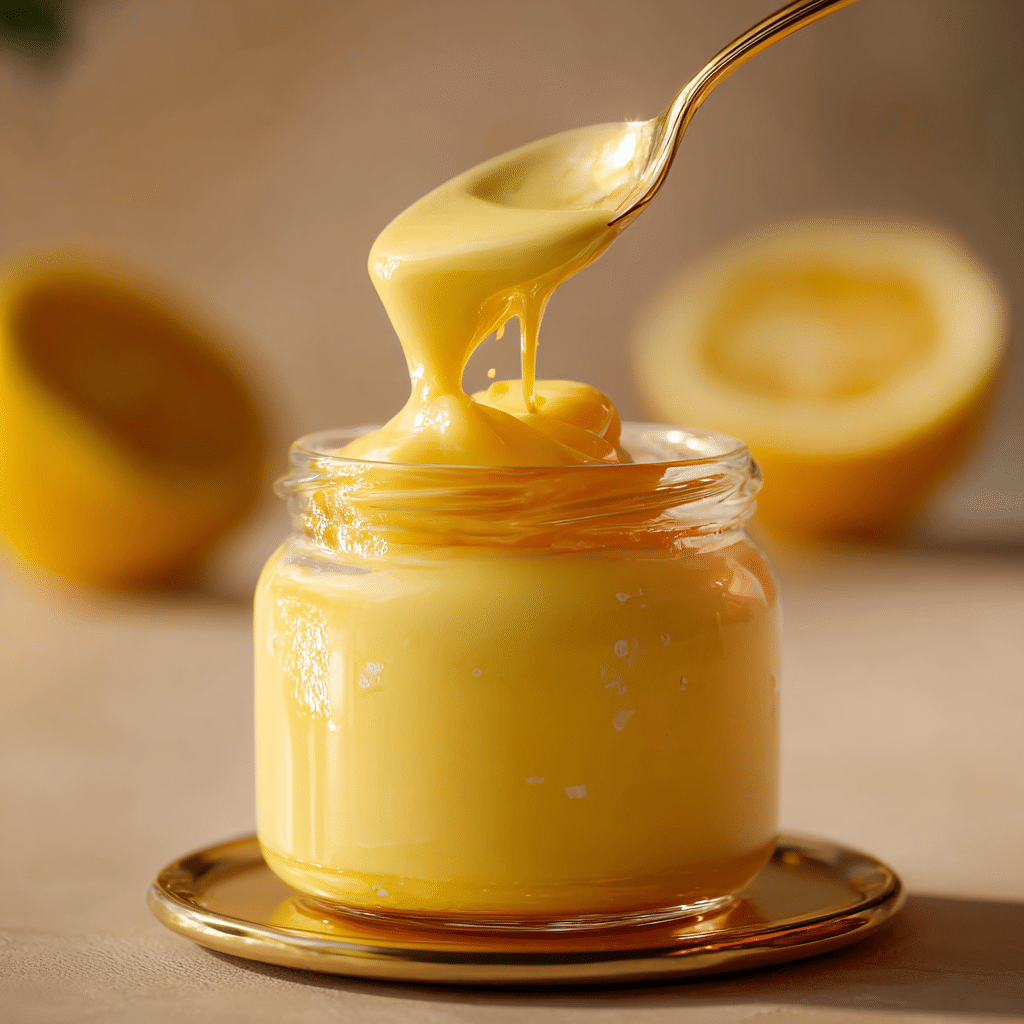
There is nothing quite like the bright, velvety goodness of homemade Lemon Curd to lift your spirits and sweeten your day. This classic, tangy spread offers a perfect balance of tartness and sweetness wrapped up in a silky texture that transforms everyday desserts, breakfasts, and snacks into something extraordinary. Whether slathered on toast, dolloped on cakes, or swirled into yogurt, making lemon curd at home lets you control every nuance of flavor and consistency. Plus, it is surprisingly simple to make with minimal ingredients and lots of delicious results.
Why You’ll Love This Recipe
- Simply irresistible flavor: The perfect harmony of tangy lemon and smooth sweetness instantly brightens any bite.
- Versatile use: Use it as a spread, filling, or topping for countless dishes, from scones to pavlovas.
- Easy to customize: Adjust the tartness and sweetness to suit your personal taste easily.
- Minimal ingredients: Uses just a handful of simple pantry staples you likely already have.
- Long shelf life: Can be kept refrigerated for weeks, making it a convenient tasty treat anytime.
Ingredients You’ll Need
Making the best Lemon Curd is all about using straightforward, quality ingredients that combine to create that luscious, creamy texture and vibrant flavor. Each component plays a crucial role in delivering the perfect balance of taste, thickness, and color.
- Fresh lemons: The star ingredient providing fresh juice and zest packed with natural acidity and fragrant oils.
- Sugar: Sweetens and balances the sharpness of lemon for a mellow sweetness without overpowering tartness.
- Eggs: The natural thickener that gives curd its signature custard-like consistency and richness.
- Unsalted butter: Adds luxurious creaminess and smoothness while rounding out the flavors.
- Salt (optional): Just a pinch to enhance and amplify the lemon’s brightness.
Variations for Lemon Curd
Feel free to make this lemon curd your own by experimenting with a few simple swaps or additions. It’s wonderful how easy it is to tailor the recipe to different tastes or dietary needs.
- Orange or lime twist: Substitute or mix different citrus juice for unique flavor variations.
- Honey sweetened: Use honey instead of sugar for a floral sweetness and natural touch.
- Dairy-free version: Replace butter with coconut oil for a vegan-friendly alternative.
- Extra zestiness: Add more lemon zest for an intense citrus aroma and bite.
- Lavender hint: Infuse the lemon curd with dried lavender for a delicate floral note.

How to Make Lemon Curd
Step 1: Prepare Your Ingredients
Start by zesting the lemons carefully to avoid the bitter white pith, then juice them freshly. Measure your sugar, crack the eggs into a bowl, and cut the butter into small cubes to allow for quick melting later.
Step 2: Combine Sugar and Eggs
In a heatproof bowl, whisk together the sugar and eggs until smooth and slightly pale, ensuring the sugar dissolves well and the mixture is well blended.
Step 3: Cook the Mixture Over Gentle Heat
Place the bowl over a saucepan of simmering water (double boiler). Add the lemon juice and zest. Stir constantly with a wooden spoon or heat-safe spatula as the curd thickens gradually to a custard-like consistency. This process may take about 8-10 minutes.
Step 4: Add Butter for Creaminess
Once thickened, remove from heat and immediately whisk in the cubed butter piece by piece until completely melted and incorporated, giving the curd a rich, velvety finish.
Step 5: Strain and Cool
To ensure the smoothest texture, strain the lemon curd through a fine mesh sieve to catch any cooked egg bits. Transfer to sterilized jars and cover the surface with plastic wrap to prevent a skin from forming as it cools.
Pro Tips for Making Lemon Curd
- Use fresh lemons: The quality of juice and zest directly impacts flavor intensity and freshness.
- Cook low and slow: Gentle heat and constant stirring prevent curd from scrambling.
- Don’t skip straining: A smooth, silky texture is key to perfect lemon curd.
- Store properly: Keep refrigerated in airtight containers to maintain freshness and safety.
- Customize sweetness: Taste as you go and adjust sugar to perfectly suit your palate.
How to Serve Lemon Curd
Garnishes
Sprinkle a little extra lemon zest or a tiny pinch of finely chopped fresh mint on top to brighten the visual appeal and add a fresh aroma to your lemon curd dishes.
Side Dishes
Lemon curd pairs beautifully with warm scones, toasted English muffins, plain yogurt, or even drizzled over pancakes for a refreshing, tangy twist to your morning or tea time.
Creative Ways to Present
Use lemon curd as a filling for tarts, inside cupcakes, or layered in parfaits with whipped cream and berries. You can also swirl it through cheesecake batter before baking for an impressive citrus-flavored dessert.
Make Ahead and Storage
Storing Leftovers
Keep any leftover lemon curd in clean, airtight jars or containers in the refrigerator. It stays delicious for up to two weeks and retains its vibrant flavor and texture when properly sealed.
Freezing
Lemon curd freezes well in tight containers or freezer bags for up to 3 months. Thaw overnight in the fridge before using, and give it a good stir to restore its smoothness.
Reheating
If you prefer lemon curd warm, gently reheat it over low heat on the stove or in short bursts in the microwave, stirring often to prevent curdling or separation.
FAQs
Can I make lemon curd without eggs?
While eggs provide the traditional texture and thickness, you can make eggless lemon curd using cornstarch or agar-agar as a thickener for a vegan-friendly alternative.
How long does homemade lemon curd last?
When stored in a clean, airtight jar in the refrigerator, homemade lemon curd typically lasts around two weeks.
Is lemon curd gluten-free?
Yes, lemon curd is naturally gluten-free, but always check for cross-contamination if you have severe sensitivities or allergies.
Can I use bottled lemon juice instead of fresh?
Fresh lemon juice is highly recommended for the best flavor and aroma, but bottled juice can be used in a pinch, though it may slightly affect taste quality.
What can I use lemon curd for besides toast?
Lemon curd is wonderfully versatile: try it in cakes, pies, tarts, as a yogurt topping, or even stirred into oatmeal for a zesty boost.
Final Thoughts
Making your own lemon curd is a delightful kitchen adventure with incredibly rewarding results. This tangy, creamy spread is sure to become a staple in your recipe collection, bringing a burst of sunshine to breakfasts, desserts, and snacks alike. Give this easy lemon curd recipe a try today—you’re just a few steps away from pure citrus bliss.
Related Posts
PrintLemon Curd
Homemade Lemon Curd is a bright, velvety, and tangy spread that perfectly balances tartness and sweetness in a silky texture. Made with fresh lemons, sugar, eggs, and butter, this classic recipe transforms everyday breakfasts, desserts, and snacks into something extraordinary. It’s simple to make, customizable, and keeps well refrigerated, making it a versatile addition to your pantry.
- Prep Time: 10 minutes
- Cook Time: 10 minutes
- Total Time: 20 minutes
- Yield: About 1 1/2 cups (350 ml) 1x
- Category: Condiments
- Method: Double Boiler
- Cuisine: British
- Diet: Gluten Free
Ingredients
Ingredients
- 4 fresh lemons (for juice and zest)
- 1 cup (200g) sugar
- 3 large eggs
- 1/2 cup (115g) unsalted butter, cut into small cubes
- Pinch of salt (optional)
Instructions
- Prepare Your Ingredients: Zest the lemons carefully avoiding the bitter white pith, then juice the lemons freshly. Measure out the sugar, crack the eggs into a bowl, and cut the butter into small cubes for quick melting.
- Combine Sugar and Eggs: In a heatproof bowl, whisk together the sugar and eggs until the mixture is smooth, slightly pale, and the sugar is dissolved.
- Cook the Mixture Over Gentle Heat: Place the bowl over a saucepan of simmering water (double boiler). Add the lemon juice and zest. Stir constantly with a wooden spoon or heat-safe spatula, cooking gently for about 8-10 minutes until the mixture thickens to a custard-like consistency.
- Add Butter for Creaminess: Remove the bowl from heat and immediately whisk in the cubed butter, one piece at a time, until fully melted and incorporated to create a rich and velvety texture.
- Strain and Cool: Strain the lemon curd through a fine mesh sieve to remove any cooked egg bits. Transfer the smooth curd to sterilized jars and cover the surface with plastic wrap to prevent a skin from forming as it cools.
Notes
- Use fresh lemons for the best flavor and aroma.
- Cook gently and stir constantly to avoid scrambling the eggs.
- Straining the curd ensures a silky smooth texture.
- Store lemon curd refrigerated in airtight containers to keep fresh up to two weeks.
- Adjust sugar to suit your taste preference for sweetness or tartness.
Nutrition
- Serving Size: 2 tablespoons (30g)
- Calories: 120
- Sugar: 18g
- Sodium: 15mg
- Fat: 5g
- Saturated Fat: 3g
- Unsaturated Fat: 2g
- Trans Fat: 0g
- Carbohydrates: 19g
- Fiber: 0.2g
- Protein: 1.5g
- Cholesterol: 70mg
Keywords: lemon curd, homemade lemon curd, lemon spread, citrus spread, gluten free, tangy spread, dessert topping